
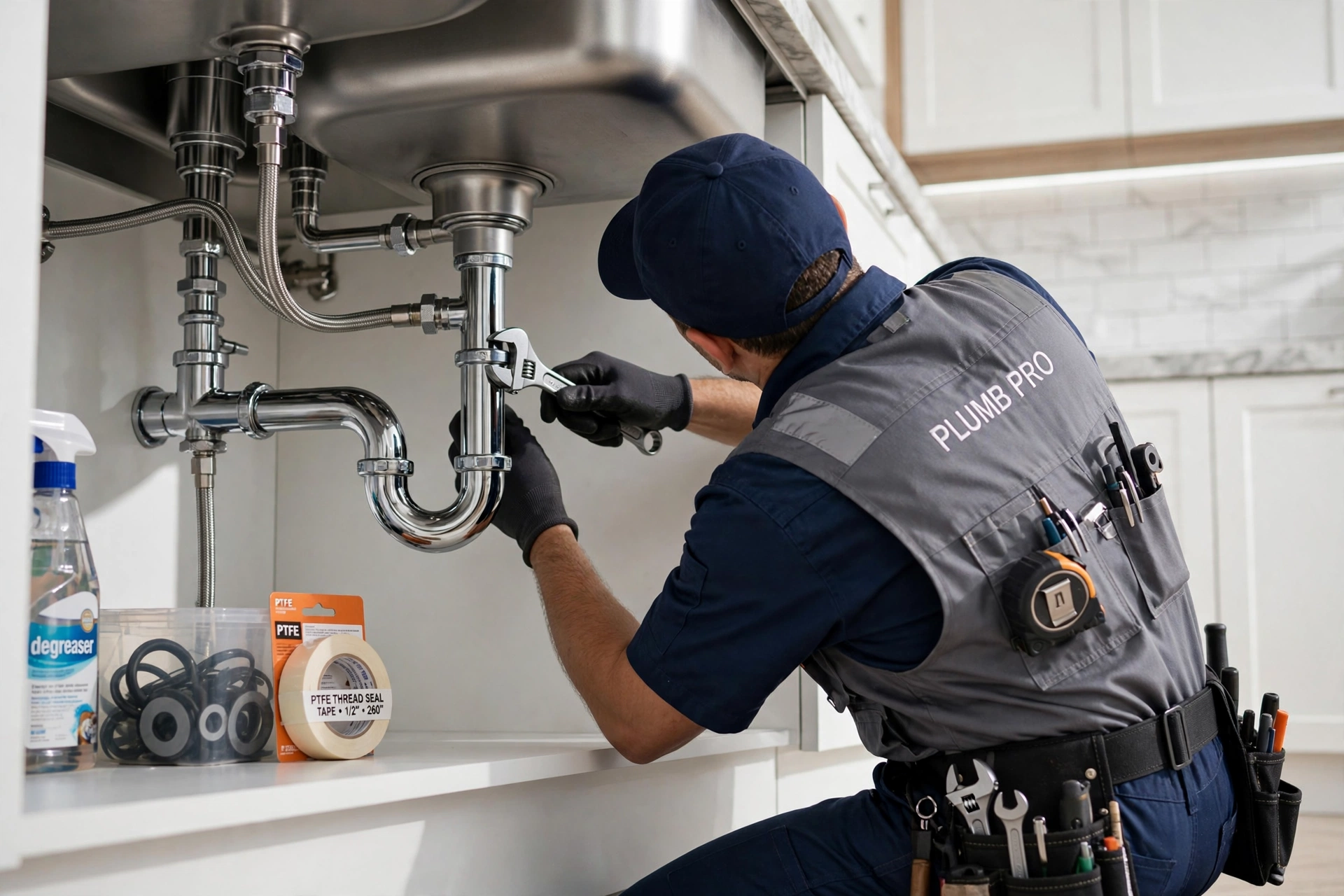
A plumber costs $45 to $150 per hour in 2026, with most US homeowners paying around $100 per hour for a licensed journeyman. The rate depends mainly on the plumber’s license level, your region, and whether it’s an emergency call.
Many plumbers also charge a service or trip fee of $50–$150 just to show up — though most waive it if you hire them for the job.
Quick answer table:
| License tier | Typical hourly rate (2026) | What they can do |
|---|---|---|
| Apprentice | $25–$50 | Assists a licensed plumber; cannot work solo |
| Journeyman | $45–$100 | Licensed to work independently; most residential jobs |
| Master plumber | $75–$150+ | Complex installs, permits, supervises crews |
Rates are 2026 US averages. Your quote will vary by region and job complexity.
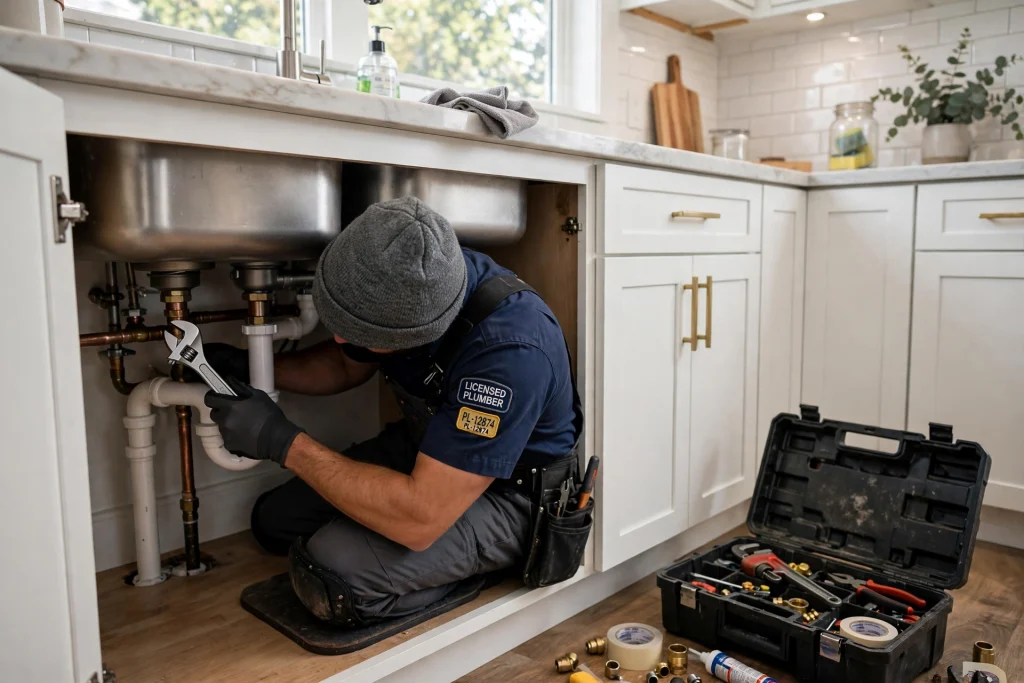
Plumber Hourly Rates by US Region
Labor is the biggest variable — the same job can cost nearly double on the coasts versus the South or Midwest:
| Region | Typical hourly range | Notes |
|---|---|---|
| Northeast (NY, MA, NJ) | $90–$150 | Highest labor costs; union shops common |
| West Coast (CA, WA, OR) | $85–$150 | High demand; permit costs add up |
| Midwest (OH, IL, MI) | $60–$110 | Close to national average |
| South (TX, FL, GA, NC) | $45–$100 | Lowest rates; competitive market |
| Mountain West (CO, AZ, UT) | $65–$115 | Growing demand pushing rates up |
Rural areas usually run 10–20% below the nearest metro rates.
Flat-Rate vs Hourly: How Plumbers Actually Charge
Most residential plumbers quote flat-rate pricing for common jobs rather than true hourly billing. The “hourly rate” matters most for open-ended work like leak diagnosis, repiping, or remodel rough-ins.
Flat-rate pros: you know the price upfront; the plumber is motivated to work efficiently. Hourly pros: fair for small, quick fixes where a flat minimum would overcharge you. Always ask which model a quote uses — and get it in writing.
Common jobs and their typical flat-rate prices (2026):
| Job | Typical flat-rate cost |
|---|---|
| Drain unclogging (snake) | $100–$300 |
| Hydro jetting a main line | $300–$800 |
| Toilet installation | $150–$400 (plus the toilet) |
| Faucet installation | $150–$350 |
| Garbage disposal install | $150–$400 |
| Water heater install (tank) | $800–$1,800 |
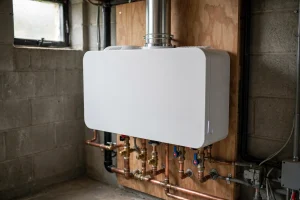
| Tankless water heater install | $1,500–$4,000 |
| Sump pump installation | $400–$1,200 |
| Main water line repair | $500–$2,000 |
| Sewer line replacement | $3,000–$7,000+ |
Parts and materials are usually extra on top of labor for larger jobs.
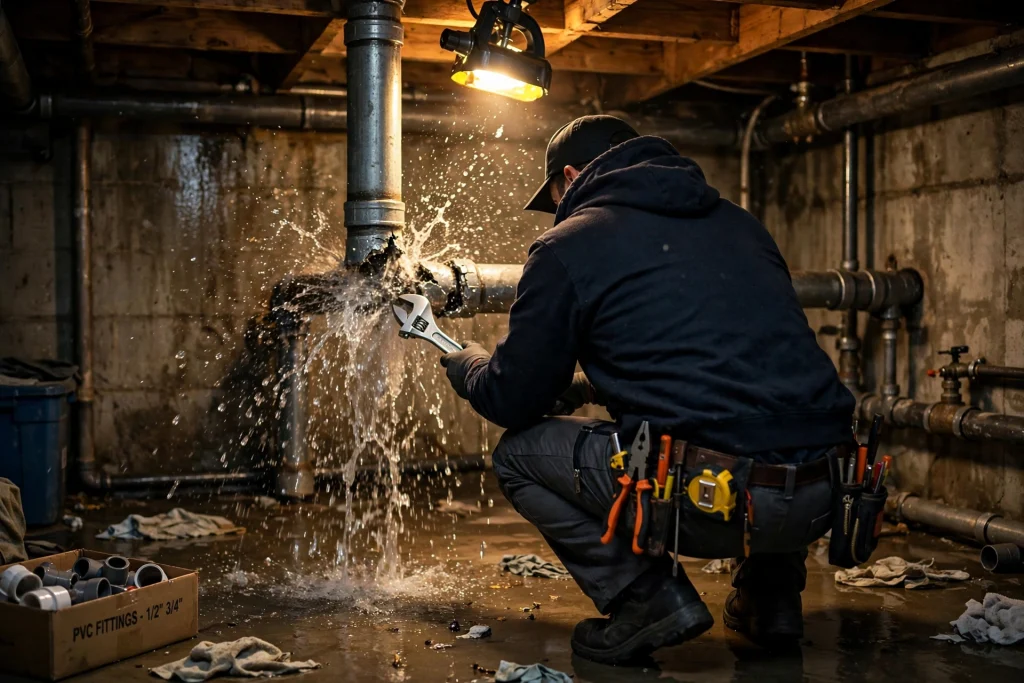
Emergency Plumber Cost
Plumbing emergencies — burst pipes, sewage backups, no hot water in winter — cost 1.5x to 2x the standard rate, typically $100–$300 per hour, plus a higher trip fee ($100–$250).
When it’s worth it: active water damage or sewage in the home. Water destroys flooring, drywall, and cabinets by the hour — a $250 emergency call beats a $5,000 remediation bill.
When it can wait until morning: a dripping faucet, a slow drain, a running toilet. Shut off the fixture’s supply valve and book a standard appointment.
What Drives the Price Up or Down
1. License tier. A master plumber costs more per hour but diagnoses faster and can pull permits — cheaper overall for complex work.
2. Job access. A leak under an open sink is a one-hour job. The same leak inside a wall or under a slab means cutting, patching, and extra hours.
3. Parts and materials. Copper, brass, and name-brand fixtures cost real money. Ask whether the quote includes parts or bills them separately.
4. Permits and inspections. Water heater replacements, sewer work, and repipes usually need permits ($50–$500 depending on the city) — a legitimate line item, not padding.
5. Time of call. Nights, weekends, and holidays trigger overtime rates. A Tuesday morning appointment is the cheapest slot on the calendar.
6. Company size. Large shops with dispatchers and trucks charge more per hour than an independent licensed plumber — but they also answer the phone at 2 AM.
How to Save Money on Plumbing Work
- Describe the problem precisely — “the kitchen sink drains slowly and gurgles” gets you a tighter quote than “something’s wrong with the pipes.”
- Bundle small jobs — one trip fee covers a faucet install, a running toilet, and a slow drain if you list them all upfront.
- Buy your own fixtures — faucets, toilets, and disposals are often cheaper retail than through a plumber’s markup. Confirm the plumber will install customer-supplied fixtures first.
- Avoid emergency rates — know where your main water shutoff is; stopping the water turns most emergencies into next-day appointments.
- Get 2–3 quotes for big jobs — for anything over $500 (water heaters, sewer work, repipes), competing quotes routinely differ by 30% or more.
Frequently Asked Questions
How much does a plumber charge per hour in 2026?
$45–$150 per hour nationally, averaging about $100/hr for a licensed journeyman. Master plumbers run $75–$150+/hr; apprentices $25–$50/hr.
Do plumbers charge a fee just to come out?
Most charge a $50–$150 trip or diagnostic fee. Many waive it if you approve the repair, and some apply it as a credit toward the work.
Is it cheaper to hire a handyman for plumbing?
For tiny jobs (replacing a flapper, caulking a tub), yes. But most states legally require a licensed plumber for anything involving supply lines, drain lines, water heaters, or gas — and unlicensed work can void your homeowner’s insurance claim if it fails.
Why do plumbers charge so much?
You’re paying for a licensed trade: 4–5 years of apprenticeship, liability insurance, specialized tools (a pro drain camera alone costs thousands), and the fact that a bad plumbing job floods your house. The hourly rate looks high; the risk of the cheap alternative is higher.
Should I choose hourly or flat-rate pricing?
Flat-rate for defined jobs (installs, unclogging, water heaters) — no surprise bill. Hourly for diagnostic or open-ended work (finding a hidden leak, old-house repiping) — but ask for a not-to-exceed cap in writing.
The Bottom Line
Budget $45–$150 per hour for a plumber in 2026 — roughly $100/hr for a licensed journeyman in most US markets. For common jobs, expect flat-rate quotes instead of hourly billing, and always confirm whether the trip fee, parts, and permits are included. Get competing quotes on anything over $500, and never pay full price upfront — a deposit of 10–30% is standard.
Cost figures are 2026 US averages compiled from contractor pricing data. Always get written quotes from licensed local plumbers — your actual cost will vary by region, license tier, and job complexity.
13 thoughts on “Plumber Cost Per Hour 2026: US Rates by Region & License Tier”