
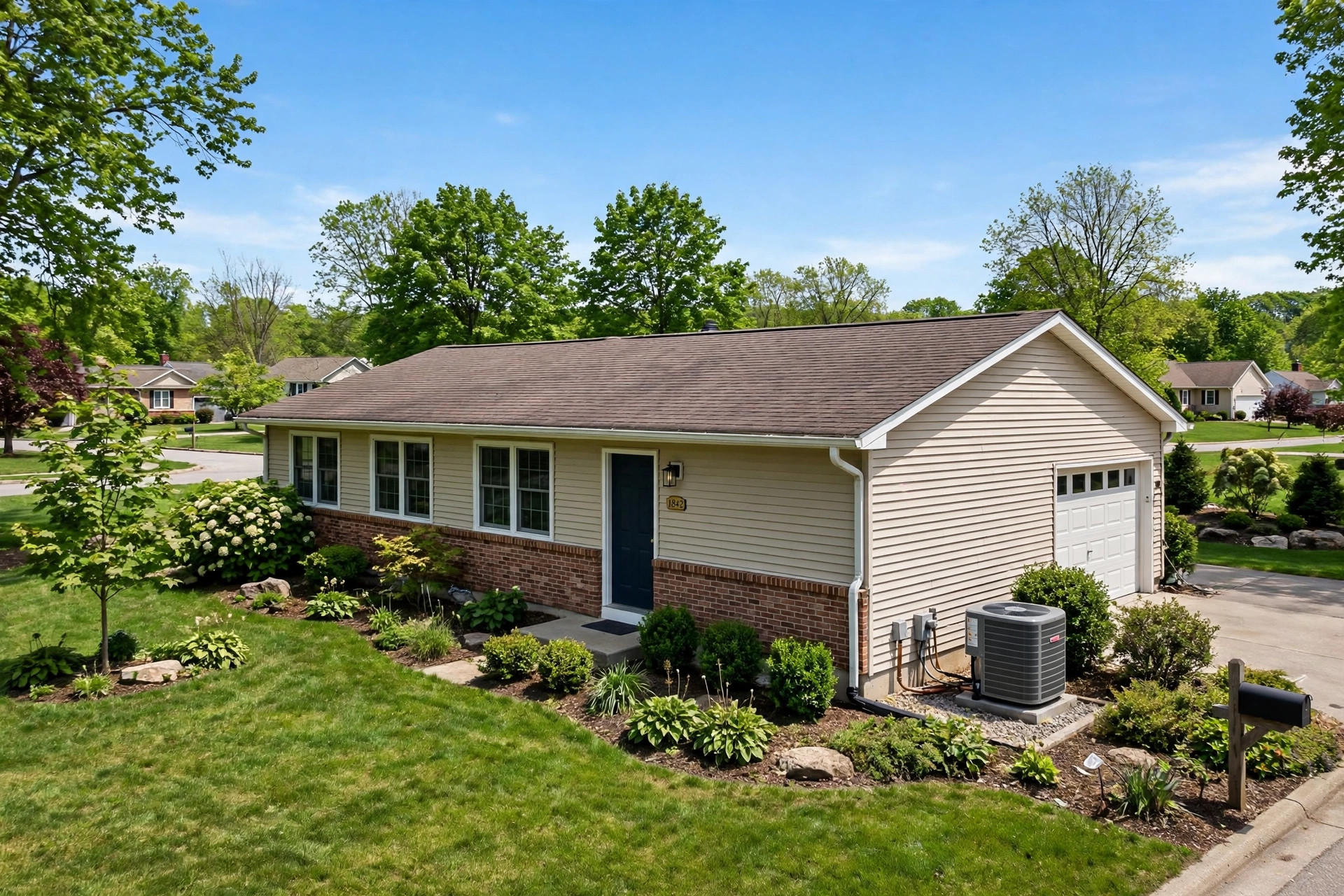
How Much Does HVAC Replacement Cost for a 1,500 Sq Ft House in 2026?
HVAC replacement cost for a 1500 sq ft house typically runs $6,000 to $11,000 installed in 2026 for a standard furnace + central AC or heat pump setup. Budget single-stage systems for a well-insulated 1,500 sq ft home can land around $5,000–$7,000, mid-range two-stage systems run $8,000–$12,000, and premium variable-speed or zoned systems reach $13,000–$17,000. A 1,500 sq ft home is America’s most common replacement scenario — big enough to need a full-size system, small enough that one properly sized unit usually does the whole job.
Quick-answer table (installed, equipment + labor, 1,500 sq ft home):
| System type | Typical cost | Best for |
|---|---|---|
| Gas furnace + central AC | $6,000–$11,000 | Most 1,500 sq ft homes with ducts |
| Air-source heat pump | $6,500–$12,000 | All-electric homes; moderate climates |
| Ductless mini-split (multi-zone) | $5,500–$11,000 | No usable ducts; zone control |
| Furnace + AC (high-efficiency) | $9,000–$15,000 | High bills; cold or hot climates |
| Packaged rooftop/gas pack | $6,500–$11,500 | Slab homes; limited indoor space |
Comparing sizes? See our guides to the new HVAC system cost for a 2,000 sq ft house, the hvac replacement cost for a 1200 sq ft house, and the new HVAC system cost for a 1,000 sq ft house. For a quick personalized estimate, try our HVAC replacement cost calculator.
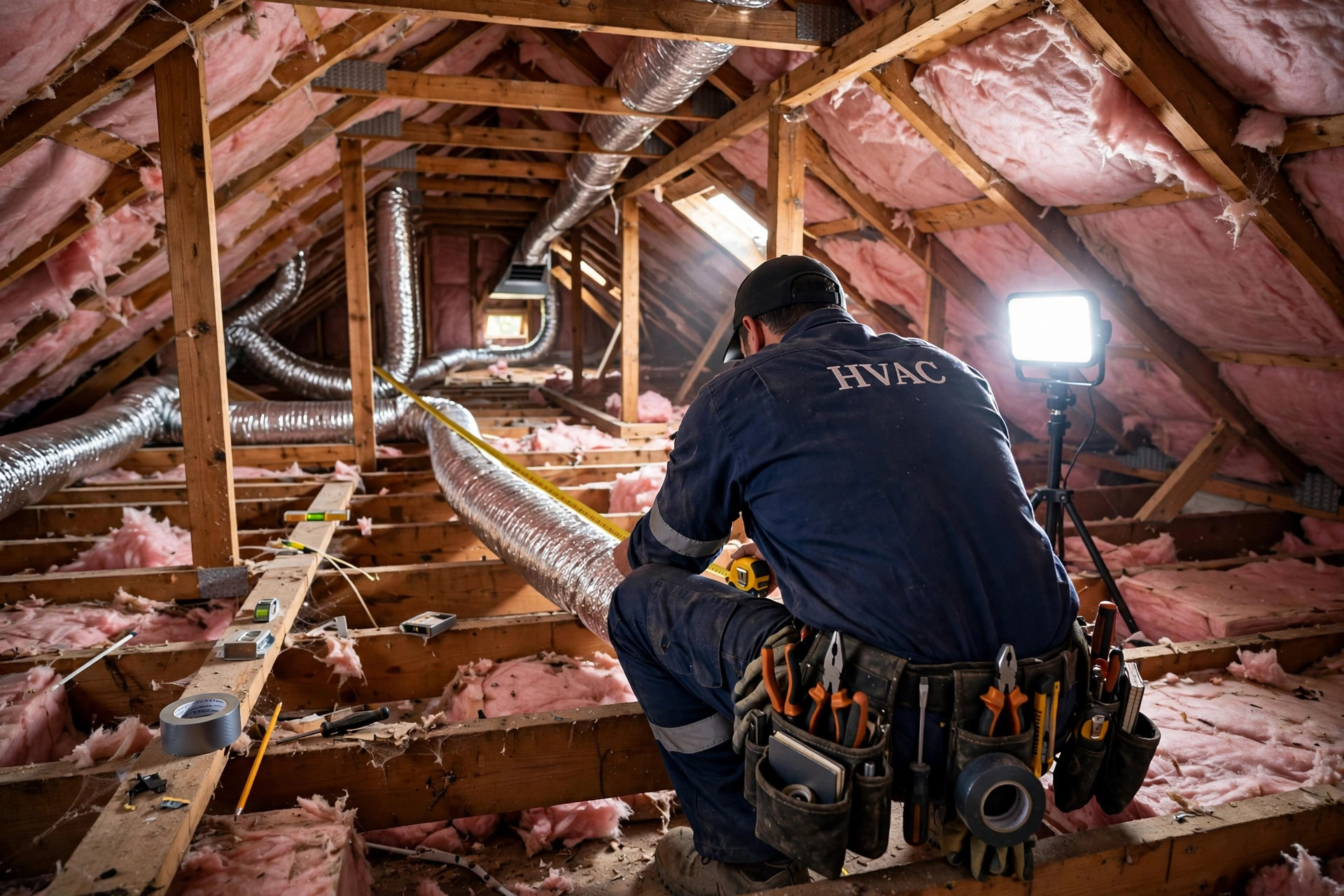
What Size HVAC System Does a 1,500 Sq Ft House Need?
Right-sizing is the single most important decision in a replacement — an oversized system short-cycles, wastes energy, and leaves humidity behind; an undersized one runs constantly and dies young.
| Home profile (1,500 sq ft) | Cooling size | Heating size |
|---|---|---|
| Well-insulated, moderate climate | 2–2.5 tons | 45,000–60,000 BTU |
| Average construction | 2.5–3 tons | 60,000–80,000 BTU |
| Older/poorly insulated, hot or cold climate | 3–3.5 tons | 80,000–100,000 BTU |
The old rule of thumb (1 ton per 500 sq ft = 3 tons) oversizes most 1,500 sq ft homes. Modern insulation, windows, and air sealing have cut loads significantly. Insist your contractor performs a Manual J load calculation — the ACCA-standard method that accounts for your actual home — rather than swapping in the same size you had. Downsizing from an oversized 3.5-ton to a proper 2.5-ton system can save $1,000–$2,000 upfront plus lower bills for 15 years.
Full Cost Breakdown: Typical $8,500 Replacement
Where the money goes on a mid-range furnace + AC replacement in a 1,500 sq ft home:
| Cost component | Typical range |
|---|---|
| Gas furnace, 60–80K BTU (92–96% AFUE) | $1,800–$4,000 |
| Central AC condenser + coil (2.5–3 ton) | $2,200–$4,800 |
| Installation labor (1–2 days) | $1,800–$3,800 |
| Refrigerant lines, electrical, thermostat | $400–$1,200 |
| Minor duct modifications | $0–$1,200 |
| Permits & inspection | $150–$450 |
| Old equipment removal & disposal | $200–$500 |
| Smart thermostat | $150–$350 |
If new ductwork is needed (leaky, undersized, or absent ducts), add $3,000–$6,000 for a 1,500 sq ft home — the most common budget-buster on replacement quotes.
Replacement vs. Repair: The $5,000 Rule
Not every aging system needs replacing. Use the $5,000 rule: multiply the repair cost by the system’s age in years. If the result exceeds $5,000, replace.
| Scenario | Math | Decision |
|---|---|---|
| $400 repair × 8-year-old system = $3,200 | Under $5,000 | Repair |
| $600 repair × 12-year-old system = $7,200 | Over $5,000 | Replace |
| $900 repair × 15-year-old system = $13,500 | Way over | Replace |
Also replace when: the system uses R-22 refrigerant (phased out; refills cost $100–$150/lb), energy bills have climbed 20%+ with no other explanation, or you’re facing a second major repair within two years.
8 Cost Drivers for a 1,500 Sq Ft Replacement
- Efficiency tier. Base 14.3 SEER2/80% AFUE vs. 17 SEER2/96% AFUE two-stage differs by $2,000–$3,500. In a 1,500 sq ft home with moderate bills, mid-tier efficiency usually has the best payback.
- Ductwork condition. Good ducts get reused; bad ducts add $3,000–$6,000. A $200–$400 duct leakage test before you sign tells you which camp you’re in.
- System type switch. Staying with the same type (furnace + AC → furnace + AC) is cheapest. Switching to a heat pump may need electrical upgrades ($500–$2,000) but can cut operating costs.
- Refrigerant generation. 2026 equipment uses low-GWP refrigerants (R-454B/R-32); roughly 10% pricier than the old R-410A generation, and old/new components can’t mix.
- Installation access. Basement and garage swaps are cheapest; attic air handlers, crawlspace furnaces, and rooftop packaged units add labor hours.
- Electrical panel. A full heat pump conversion on an older 100-amp panel can force a $1,000–$2,500 panel upgrade.
- Permits and code upgrades. Some jurisdictions now require condensate safety switches, surge protectors, or duct-sealing to current code — typically $200–$800 in extras.
- Timing. Emergency mid-summer or mid-winter replacements cost 10–20% more than planned shoulder-season installs.
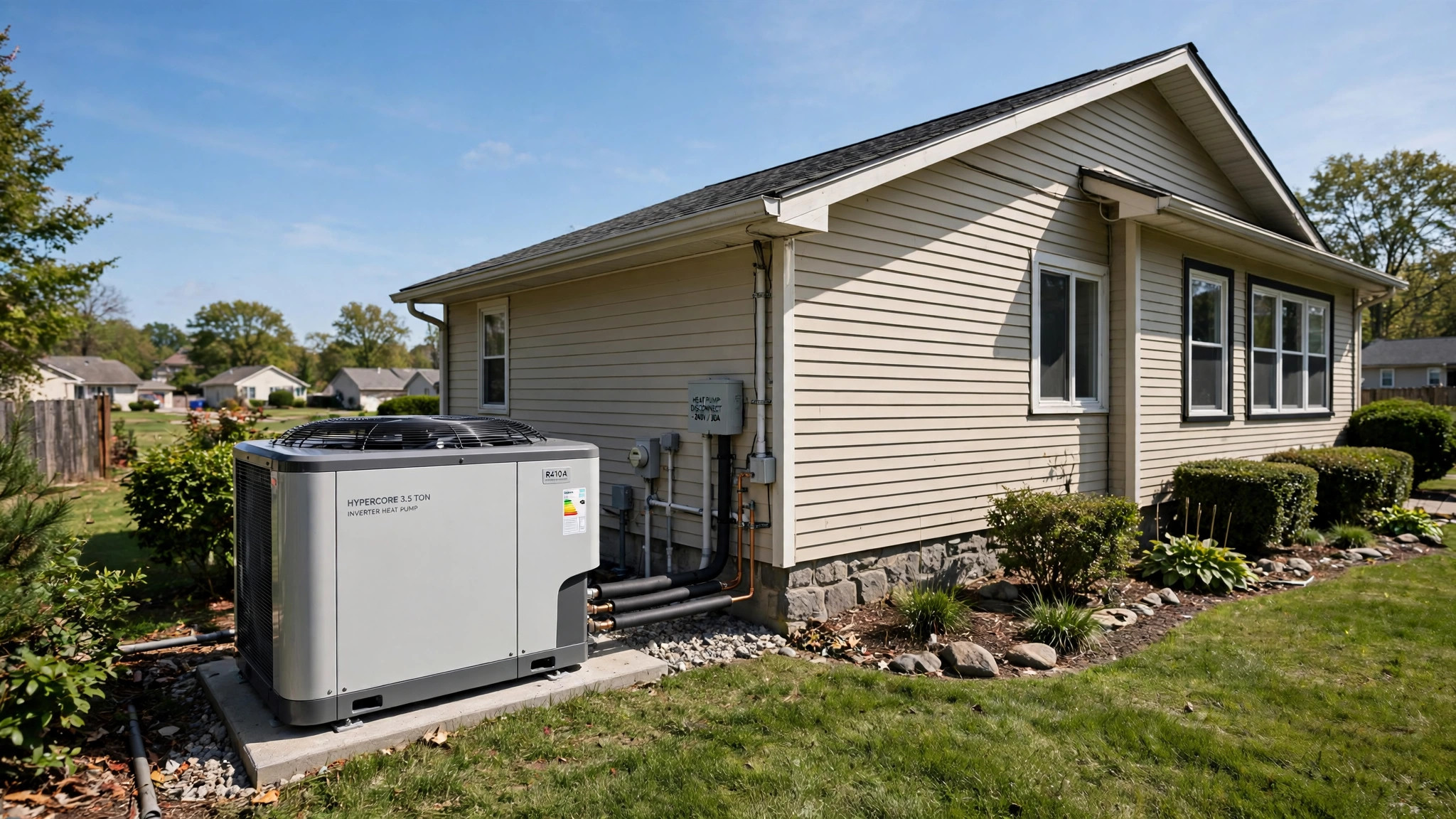
Should You Switch to a Heat Pump When Replacing?
A 1,500 sq ft home is the sweet spot for a whole-home heat pump — one unit handles heating and cooling, and the size keeps equipment costs in check. Typical installed cost: $6,500–$12,000, competitive with furnace + AC. The DOE’s heat pump guide covers the technology and ratings, and their furnace efficiency data helps if you’re staying with gas. Qualifying heat pumps earn a federal 25C tax credit up to $2,000/year, and many utilities add $300–$1,000 rebates. In cold climates (Zone 5+), get a cold-climate-rated model or keep the furnace as dual-fuel backup.
DIY vs. Hiring a Pro for HVAC Replacement
| Factor | DIY | Hire a pro |
|---|---|---|
| Legality | EPA Section 608 certification required for refrigerant; gas/electrical need licenses in most states | Licensed, permitted, inspected |
| Equipment cost alone | $3,500–$7,000 (no warranty) | — |
| Installed cost | Not realistic as DIY | $6,000–$11,000 typical |
| Warranty | Voided without licensed installation | 10-year parts + 1–2 year labor typical |
| Safety | Gas, high-voltage, refrigerant risks | Contractor insured and liable |
| Verdict | Don’t attempt | Get 3+ quotes; verify license + insurance |
Realistic homeowner role: vet contractors, compare Manual J-based quotes, claim rebates and tax credits, and handle the thermostat and filter maintenance yourself.
8 Ways to Save on a 1,500 Sq Ft HVAC Replacement
- Get 3–4 written quotes — identical equipment quotes vary 20–30% between contractors.
- Schedule in spring or fall — shoulder-season installs run 10–20% cheaper than emergency replacements.
- Right-size with Manual J — a properly sized 2.5-ton costs less than an oversized 3.5-ton and runs cheaper for life.
- Reuse good ductwork — test first; don’t pay $4,000 for ducts you didn’t need.
- Consider a heat pump — one unit instead of two can undercut furnace + AC pricing, plus the $2,000 federal credit.
- Claim utility rebates — $200–$1,000 for qualifying high-efficiency installs in most states.
- Bundle both units — if the furnace is 12+ years old when the AC dies (or vice versa), replacing together saves $1,500–$3,000.
- Ask about manufacturer promos — Carrier, Trane, and Lennox dealers run seasonal 0%-financing and rebate offers.
Frequently Asked Questions
How much does it cost to replace HVAC in a 1500 sq ft house?
$6,000–$11,000 installed is the typical 2026 range for a 1,500 sq ft home. Basic single-stage furnace + AC systems start around $5,000–$7,000; mid-range two-stage systems run $8,000–$12,000; premium variable-speed or zoned systems reach $13,000–$17,000. Add $3,000–$6,000 if new ductwork is needed.
What size AC unit do I need for a 1500 sq ft house?
Most 1,500 sq ft homes need 2.5 to 3 tons of cooling (30,000–36,000 BTU) and a 60,000–80,000 BTU furnace. Well-insulated homes in moderate climates may need only 2–2.5 tons; older or poorly insulated homes in extreme climates may need 3–3.5 tons. Get a Manual J load calculation for the exact answer.
Is it worth replacing a 15-year-old HVAC system?
Usually yes. At 15 years, an AC is past its typical 12–15 year life and a furnace is at 75–100% of its 15–20 year life. New systems are 20–40% more efficient, so the energy savings plus avoided repairs typically justify replacement — especially if you’re facing a repair over $500.
How long does HVAC replacement take?
A straightforward furnace + AC swap in a 1,500 sq ft home takes 1–2 days. Add a day if ductwork modifications are needed, and 2–3 days for a full duct replacement or a system-type conversion (e.g., adding a heat pump with electrical upgrades).
Can I replace just the AC and keep my old furnace?
You can, but it’s often false economy if the furnace is 12+ years old. The new AC’s efficiency rating assumes a matched blower; an old single-speed blower drags real-world efficiency down, and you’ll pay for a second labor mobilization when the furnace fails a few years later. If the furnace is under 10 and healthy, AC-only replacement is reasonable.
The Bottom Line
HVAC replacement cost for a 1500 sq ft house centers on $6,000–$11,000 in 2026 — a straightforward, single-system job in America’s most common home size. The keys to a good outcome: a Manual J load calculation (not a rule-of-thumb size), 3–4 competing quotes, a ductwork test before you sign, and claiming every rebate and tax credit. Done right, the new system cuts energy bills 20–40% and runs trouble-free for 15+ years.
Prices are 2026 US averages based on contractor quotes and industry data; your project may vary by region, home size, and equipment choice. Get multiple written estimates before committing.
2 thoughts on “HVAC Replacement Cost for 1500 Sq Ft House: 2026 Price Guide”