
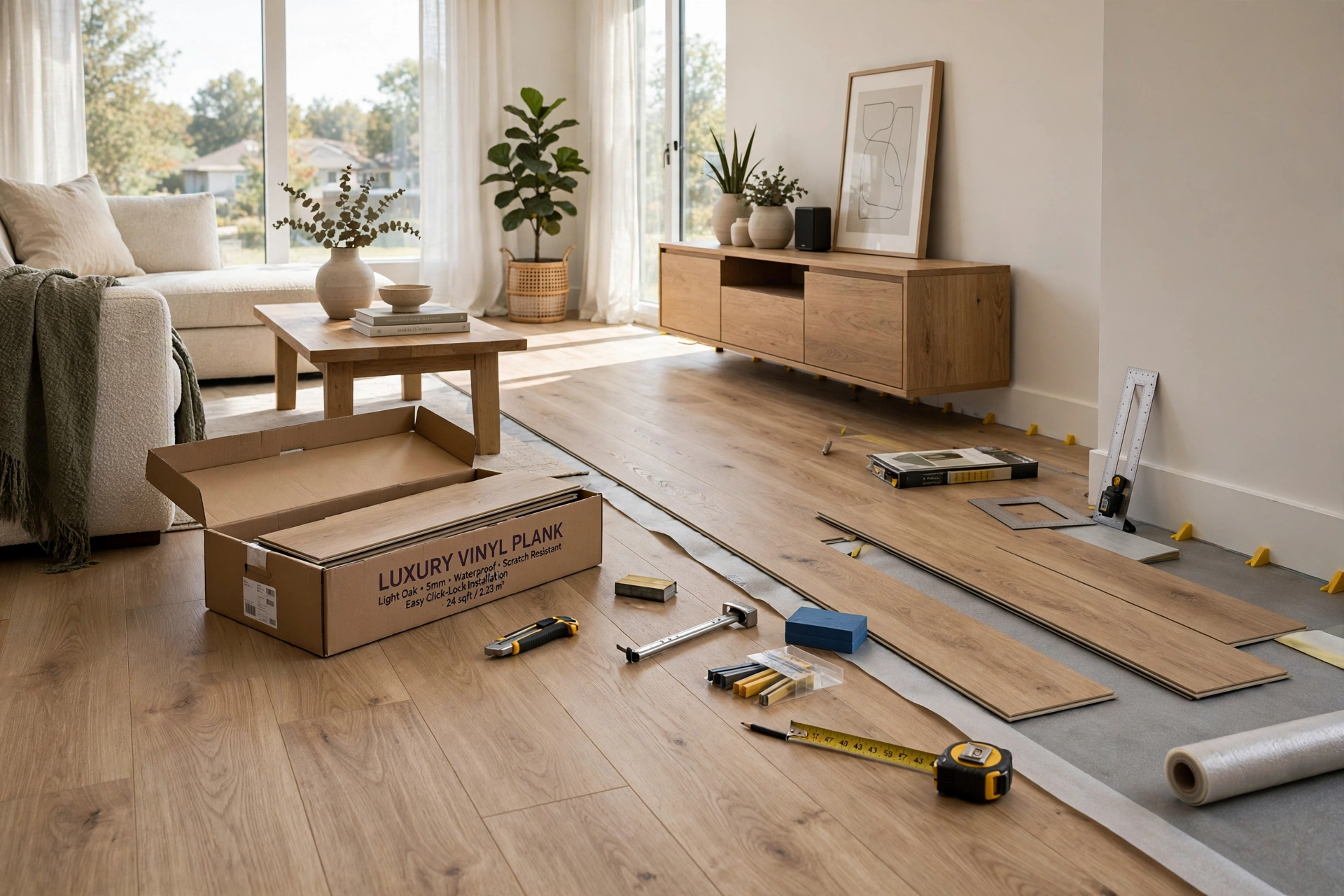
Vinyl plank flooring costs $3 to $10 per square foot installed in 2026 — materials and labor included. For a 1,000 sq ft home, most homeowners pay $3,000 to $10,000, averaging around $6,000 for mid-range luxury vinyl plank (LVP) with professional installation.
It’s the fastest-growing flooring category in the US for one reason: it looks like hardwood, shrugs off water, and costs roughly half of real wood installed.
Quick answer table (installed, materials + labor):
| Project size | Sq ft | Budget ($3/sq ft) | Mid-range ($6/sq ft) | Premium ($10/sq ft) |
|---|---|---|---|---|
| One large room | 500 | ~$1,500 | ~$3,000 | ~$5,000 |
| Small home / main floor | 1,000 | ~$3,000 | ~$6,000 | ~$10,000 |
| Whole house | 1,500 | ~$4,500 | ~$9,000 | ~$15,000 |
Estimates include ~10% waste factor. Your quote will vary by plank quality, install method, and subfloor condition.
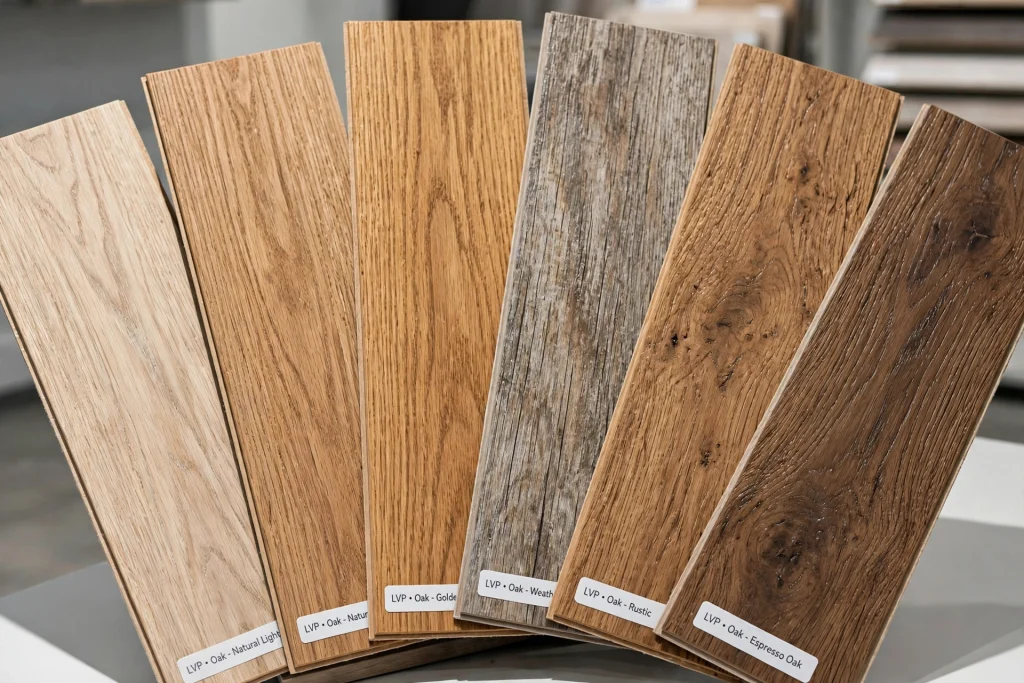
Vinyl Plank Types Compared (Material Cost Per Sq Ft)
Not all “vinyl plank” is the same product:
| Type | Material per sq ft | Construction | Best for |
|---|---|---|---|
| Standard LVP (flexible) | $1.50–$3 | Thin, flexible, glue-down or loose-lay | Budget projects, rentals |
| WPC (wood-plastic composite) | $2.50–$5 | Rigid core, softer underfoot | Most living spaces — the popular pick |
| SPC (stone-plastic composite) | $2.50–$5.50 | Rigid core, denser, ultra-stable | Kitchens, basements, high-traffic |
| Glue-down LVT | $1.50–$4 | Thin, needs perfect subfloor | Commercial, large open areas |
WPC and SPC (both sold as “rigid core”) dominate residential installs now — they click together floating, hide minor subfloor imperfections, and feel better underfoot than old-school flexible vinyl.
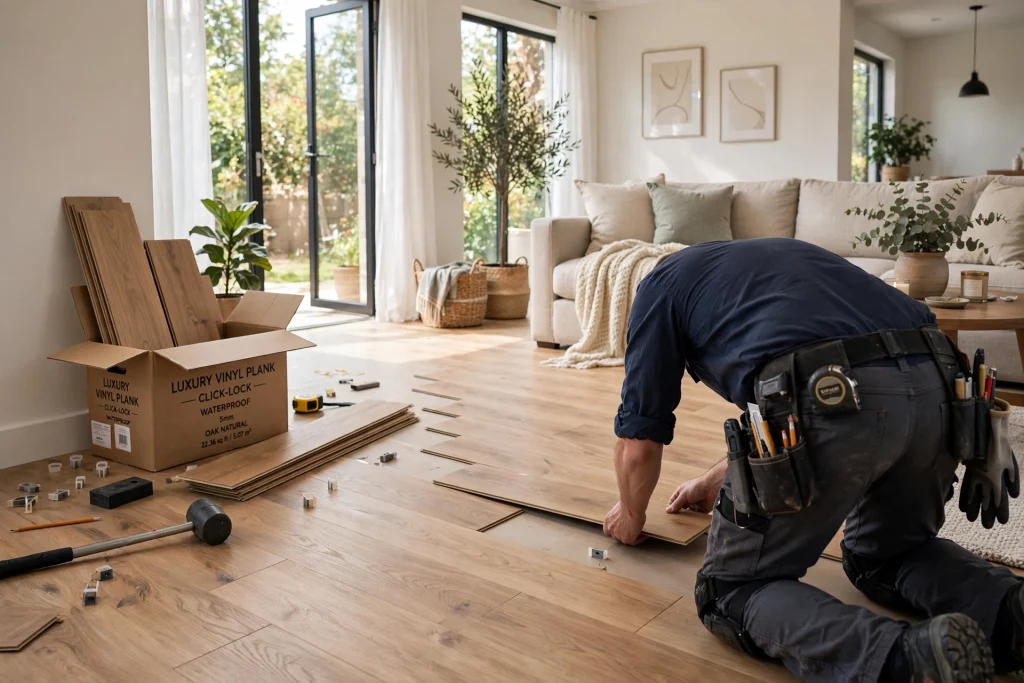
Click-Lock vs Glue-Down: Cost Difference
| Install method | Labor per sq ft | Total installed (mid-range) | Pros / cons |
|---|---|---|---|
| Click-lock (floating) | $1.50–$3 | $4–$8/sq ft | Fastest, DIY-friendly, easy plank replacement |
| Glue-down | $2–$4 | $4.50–$9/sq ft | Best for heavy rolling loads, harder to repair |
| Loose-lay | $1–$2.50 | $3–$6/sq ft | Quick, but can shift; limited to smaller areas |
Click-lock floating floors are what 80%+ of homeowners choose — lower labor cost and individual damaged planks can be swapped without redoing the floor.
Full Cost Breakdown: Where the Money Goes
| Cost component | Per sq ft | For 1,000 sq ft |
|---|---|---|
| Vinyl plank material | $1.50–$5.50 | $1,500–$5,500 |
| Underlayment (if needed) | $0.25–$0.75 | $250–$750 |
| Installation labor | $1.50–$4 | $1,500–$4,000 |
| Old flooring removal | $0.50–$1.50 | $500–$1,500 |
| Subfloor leveling/prep | $1–$3 (where needed) | $0–$3,000 |
| Transitions & baseboards | flat | $150–$500 |
Many rigid-core planks have attached underlayment — check before paying for a separate layer you don’t need.
DIY vs Professional Installation
| DIY (click-lock) | Professional install | |
|---|---|---|
| Total (1,000 sq ft) | $1,750–$6,250 (materials) | $3,000–$10,000 |
| Tools needed | Utility knife, tapping block, spacers (~$50) | Included |
| Time | 2–4 weekends for 1,000 sq ft | 2–4 days for 1,000 sq ft |
| Subfloor prep | Often skipped (risky) | Leveled properly |
| Warranty | Material only | Material + 1-yr labor |
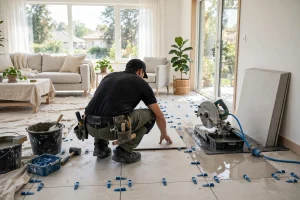
Verdict: Click-lock vinyl is the most DIY-friendly hard flooring — straight cuts with a utility knife, no nails, no glue. DIY makes sense for a single room over a flat subfloor. For whole-house installs or uneven subfloors, pro leveling is worth every penny; vinyl telegraphs every bump underneath it.
What Drives the Price Up or Down
1. Wear layer thickness. Measured in mil (6, 12, 20, 28). A 20-mil wear layer costs ~$1/sq ft more than 12-mil and doubles the floor’s life in busy households. For homes with dogs or kids, 20-mil minimum.
2. Subfloor condition. Vinyl needs flat within 3/16″ over 10 feet. Old tile, uneven plywood, or concrete dips mean leveling compound at $1–$3/sq ft — the most common “surprise” line item.
3. Old floor removal. Floating laminate comes up fast; glued-down vinyl or tile doubles removal cost. Some installers lay rigid-core right over flat existing floors — ask if yours qualifies.
4. Pattern and layout. Straight lay is standard. Herringbone or diagonal patterns add 15–25% labor and more waste.
5. Stairs. Each stair tread/riser in vinyl runs $50–$100 installed — a 13-step staircase can add $650–$1,300 alone.
6. Region. Labor runs 20–30% higher in the Northeast and West Coast than in the South and Midwest.
How to Save Money on Vinyl Plank Flooring
- Choose 12-mil for bedrooms, 20-mil for living areas — don’t pay premium wear layers where foot traffic is light.
- Buy 10–15% overage, not 25% — straight-lay click-lock wastes little; oversized waste allowances are padding.
- Ask about laying over existing floors — flat sheet vinyl or laminate can sometimes stay, saving $500–$1,500 in removal.
- Skip the separate underlayment if attached — most WPC/SPC has it built in; paying twice is a classic upsell.
- Get material + labor on one quote — installers who supply the plank often warranty the whole job; box-store material + independent installer splits accountability.
Frequently Asked Questions
How much does it cost to install 1,000 sq ft of vinyl plank flooring?
$3,000–$10,000 installed in 2026, averaging about $6,000 for mid-range WPC/SPC click-lock with professional installation.
Is vinyl plank cheaper than laminate?
Roughly the same installed ($3–$10/sq ft), but vinyl is waterproof — the deciding factor for kitchens, baths, and basements. Laminate still wins slightly on upfront material cost.
How long does vinyl plank flooring last?
12-mil wear layer: 10–15 years residential. 20-mil: 20–25 years. 28-mil commercial-grade: 25+ years. Sun-faded or gouged planks can be replaced individually with click-lock.
Can vinyl plank go over tile?
Yes, if the tile is flat and well-bonded — rigid-core WPC/SPC bridges grout lines up to ~1/8″. Deep grout lines or cracked tiles need skim-coating first.
Does vinyl plank flooring add home value?
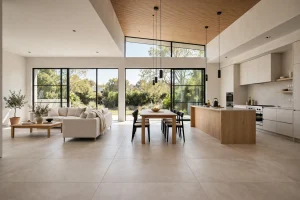
It photographs like hardwood at listing time and appraisers treat quality LVP as a legitimate hard-surface upgrade over carpet or sheet vinyl — a real plus in mid-range homes, though it won’t match genuine hardwood’s premium.
The Bottom Line
Budget $3–$10 per square foot installed for vinyl plank flooring in 2026 — roughly $6,000 for 1,000 sq ft of mid-range rigid-core click-lock. Put your money into wear-layer thickness and subfloor prep rather than designer patterns, and get one itemized quote covering material, labor, removal, and leveling. It’s the closest thing to a do-everything floor at a mid-range price.
Cost figures are 2026 US averages compiled from contractor and retailer pricing data. Always get written quotes from local flooring installers — your actual cost will vary by region, plank choice, and subfloor condition.
8 thoughts on “Vinyl Plank Flooring Installation Cost 2026: Per Sq Ft Guide”