
How Much Does It Cost to Rip Out and Replace a Bathroom in 2026
If you’re wondering how much does it cost to rip out and replace a bathroom in 2026, the short answer is $10,000–$25,000 typically for a full gut-and-replace of a standard 5×8 bathroom with mid-range finishes. That figure covers the complete job — demolition and disposal, new plumbing fixtures in the existing locations, new electrical, new tile, and new finishes. Smaller powder rooms can come in at $5,000–$12,000, while large master baths with layout changes run $20,000–$45,000+.
Quick-answer table (typical 2026 costs to rip out and replace a bathroom):
| Project | Typical cost |
|---|---|
| Powder room / half bath, full rip-out and replace | $5,000–$12,000 |
| Standard 5×8 bathroom, full rip-out and replace | $10,000–$25,000 |
| Large full bath, same layout, mid-range finishes | $15,000–$30,000 |
| Master bath with layout changes, high-end finishes | $25,000–$60,000+ |
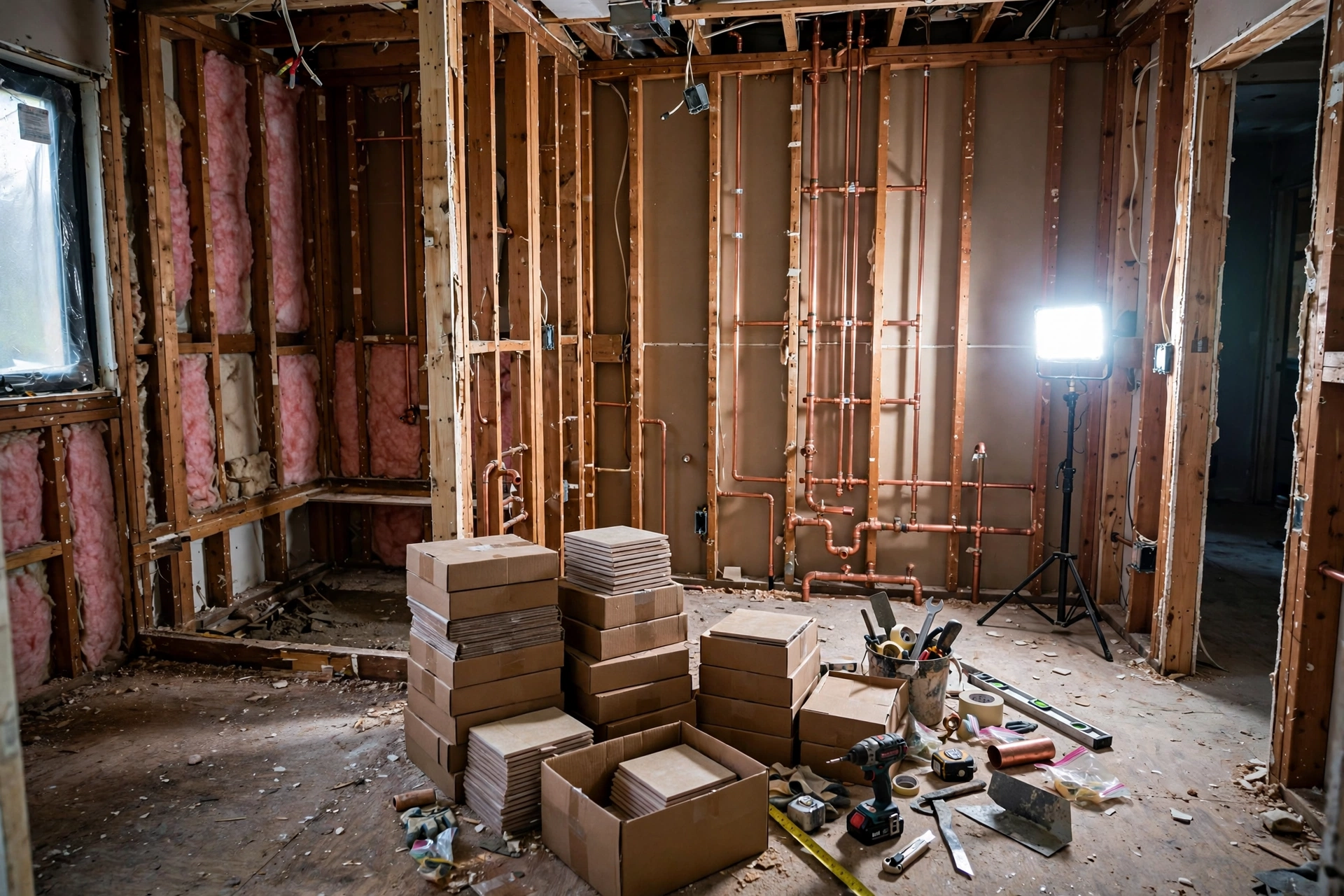
“Rip out and replace” is the industry’s plain-language version of a full gut remodel: everything comes out — fixtures, tile, flooring, often the drywall and subfloor — and goes back in new. It is the most expensive way to redo a bathroom, but also the only honest option when the old bathroom has hidden water damage, mold, or plumbing that belongs in a museum. This guide breaks down exactly where the money goes, what surprises lurk behind the walls, and how to keep the project from doubling in price.
Demolition Costs: Tearing the Bathroom Out
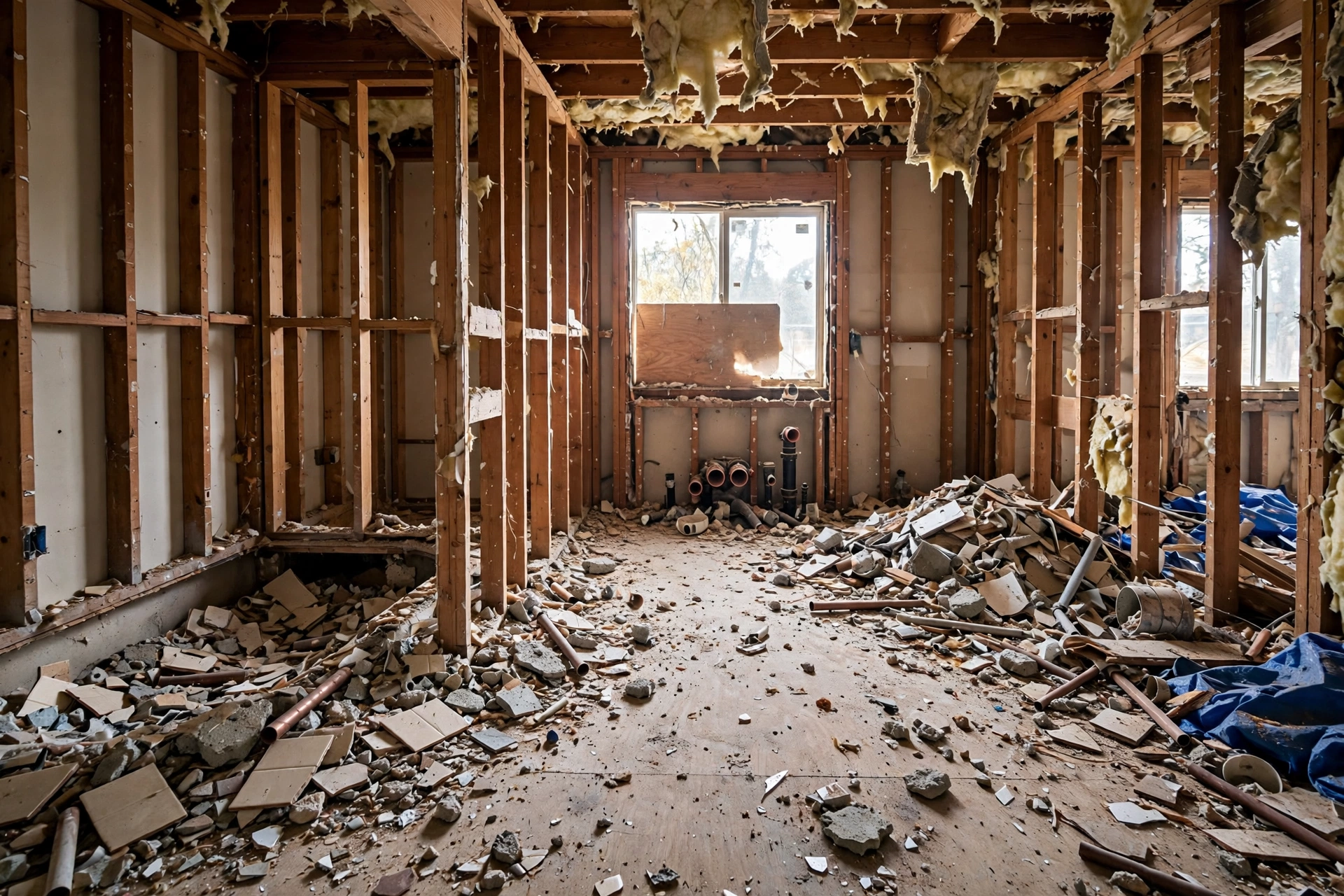
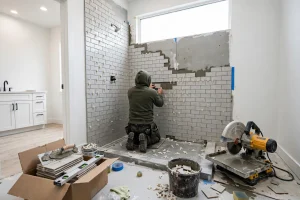
Demolition is the cheapest trade on the job, but it’s also the moment of truth — this is when hidden damage gets found. Typical demo costs:
| Demolition item | Typical cost |
|---|---|
| Full bathroom demo (fixtures, tile, flooring, drywall) | $1,000–$2,500 |
| Dumpster rental (10-yard, 3–5 days) | $300–$600 |
| Disposal fees | $100–$300 |
| Cast-iron tub removal (extra labor) | $200–$500 |
| Tile floor removal down to subfloor | $300–$800 |
For a standard bathroom, budget $1,000–$2,500 all-in for rip-out and haul-away. The number climbs with heavy materials: a cast-iron tub can weigh 300–400 pounds and may need to be broken up in place, and old mud-set tile floors take significantly longer to remove than sheet vinyl. Old bathrooms from before the 1980s may also contain materials that need special handling — if your contractor suspects lead paint or asbestos in old flooring, testing and licensed abatement add $500–$2,000, and the work cannot legally be done by a regular crew. Our bathroom remodel cost breakdown shows how demolition fits into the full project budget.
What contractors typically find behind the walls: In roughly one in three older-bathroom tear-outs, demolition reveals water damage — rotted subfloor around the toilet or tub, moldy drywall behind the shower surround, or a slow plumbing leak that’s been running for years. Typical remediation costs run $1,000–$3,000, and this is the single most common reason a bathroom project exceeds its budget. Smart budgets carry a 10–15% contingency for exactly this.
Rip Out and Replace Bathroom Cost by Bathroom Size
Size and scope interact, but here’s how full gut-and-replace pricing typically lands by bathroom type:
| Bathroom | Typical size | Typical full replacement cost |
|---|---|---|
| Powder room / half bath | 15–25 sq ft | $5,000–$12,000 |
| Small full bath | 30–40 sq ft | $8,000–$18,000 |
| Standard full bath (5×8) | 40–50 sq ft | $10,000–$25,000 |
| Large full bath | 60–80 sq ft | $15,000–$30,000 |
| Master bath, high-end | 80–120+ sq ft | $25,000–$60,000+ |
The 5×8 standard bath is the industry’s reference footprint — most contractor pricing data and our 5×7 bathroom remodel cost guide cluster around it. For larger projects, the 10×10 bathroom remodel cost guide shows how costs scale once a bathroom crosses into master-bath territory.
Rip Out and Replace Cost by Finish Level
Once everything’s out, what goes back in sets the final number. Three finish tiers:
| Finish level | What it means | Typical 5×8 total |
|---|---|---|
| Budget / builder-grade | Stock vanity, fiberglass tub/shower surround, vinyl or basic ceramic tile, chrome fixtures | $8,000–$14,000 |
| Mid-range | Semi-custom vanity, tiled shower, porcelain or natural-stone-look tile, quality fixtures | $12,000–$25,000 |
| High-end / custom | Custom vanity, curbless or walk-in tiled shower, natural stone, designer fixtures, heated floors | $25,000–$50,000+ |
The mid-range band is where most homeowners land — and where per-dollar value is highest. Budget finishes save money but wear visibly within a decade; high-end finishes are gorgeous but return a smaller share of their cost at resale. The bathroom remodel labor cost guide breaks down what each trade charges at each tier, so you can see where your money actually goes.
Fixture and Finish Costs: Putting It Back Together
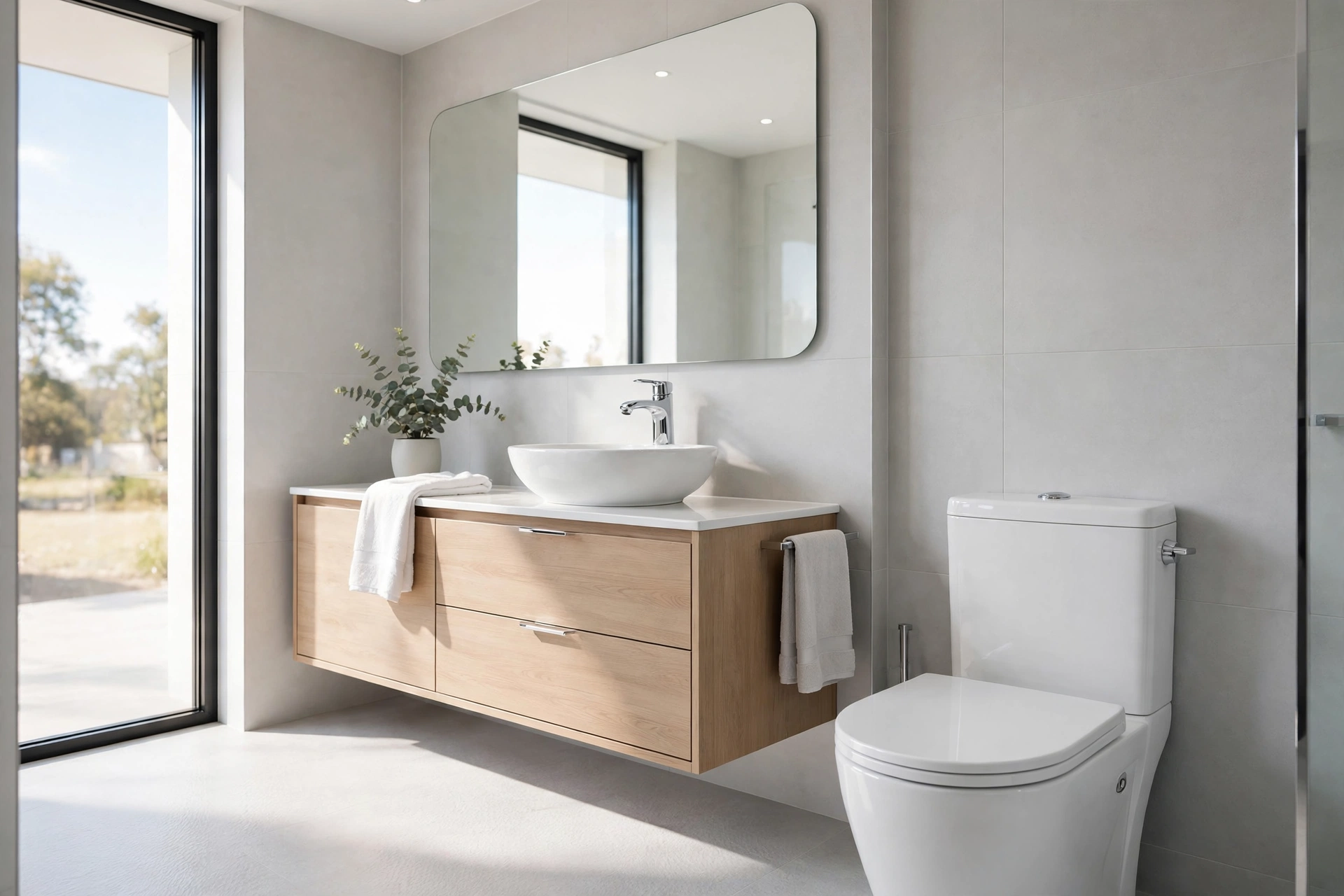
After demolition, the rebuild is dominated by fixtures, tile, and skilled labor. Here’s what the components typically cost in a rip-out-and-replace project:
| Component | Budget | Mid-range | High-end |
|---|---|---|---|
| Vanity + sink + faucet | $300–$800 | $800–$2,000 | $2,000–$6,000+ |
| Toilet | $150–$300 | $300–$700 | $700–$2,000+ |
| Tub or shower unit | $400–$1,000 | $1,000–$3,500 | $3,500–$10,000+ |
| Shower/tub tile labor + material (per sq ft) | $10–$25 | $25–$45 | $45–$100+ |
| Floor tile (per sq ft, installed) | $5–$12 | $12–$20 | $20–$40+ |
| Plumbing rough-in + fixture hookup | $1,500–$3,000 | $2,500–$5,000 | $5,000–$10,000+ |
| Electrical (GFCI, lighting, exhaust fan) | $500–$1,000 | $800–$1,800 | $1,800–$4,000+ |
| Exhaust fan + ventilation | $150–$400 | $300–$600 | $600–$1,200 |
Tile is the line item most homeowners underestimate: a 40 sq ft bathroom can easily need 150–250 sq ft of tile once shower walls and floors are counted, and at $25–$45 per square foot installed for mid-range tile, that’s $3,750–$11,250 — often more than the vanity, toilet, and fixtures combined. Choosing a quality exhaust fan matters too: the DOE’s Energy Saver guide on bathroom ventilation explains why proper venting is the cheapest mold insurance a bathroom can have. And the EPA’s WaterSense program certifies toilets, showerheads, and faucets that use at least 20% less water without costing more — worth specifying when every fixture is new anyway.
Cost Drivers: What Moves the Number Up or Down
| Driver | Effect on cost | Notes |
|---|---|---|
| Moving plumbing fixtures | +$1,000–$3,000 per fixture | Toilet relocation is priciest; concrete slab work costs more |
| Hidden water damage / mold | +$1,000–$3,000 | Found in ~1 in 3 older-bathroom tear-outs |
| Tile coverage | +$3,000–$8,000 | Floor-to-ceiling tile vs. tub surround only |
| Structural changes | +$2,000–$8,000 | Removing walls, reframing, new subfloor |
| Accessibility features | +$1,500–$5,000 | Curbless shower, grab bars, comfort-height fixtures |
| Regional labor rates | ±30% | Coastal metros and the Northeast run above typical |
| Permits and inspections | $150–$1,500 | Required in most jurisdictions for plumbing/electrical |
The single most expensive decision in a rip-out-and-replace is moving fixtures. Keeping the toilet, sink, and shower in their existing locations keeps the plumbing rough-in simple; moving the toilet across the room can add $1,000–$3,000 in plumbing and concrete-slab work alone. If the layout works, don’t move things.
How Long Does a Rip Out and Replace Take?
| Project | Typical timeline |
|---|---|
| Powder room rip-out and replace | 1–2 weeks |
| Standard 5×8 full gut, same layout | 2–3 weeks |
| Full bath with layout changes | 3–5 weeks |
| Master bath, high-end custom | 5–8 weeks |
Timelines assume one crew working steadily. The phases: demolition (1–3 days), rough plumbing and electrical (2–5 days, with inspections), tile and waterproofing (5–10 days — thin-set and grout curing can’t be rushed), fixture installation and painting (3–5 days), final inspections and punch list (1–2 days). Custom-ordered items (vanities, glass shower doors, special-order tile) are the usual schedule-killer — order them before demolition starts, not during.
Money-Saving Tips
- Keep the layout. Moving plumbing is the priciest single decision; a same-footprint replacement can save $2,000–$6,000 over a reconfigured one.
- Choose a tub/shower surround wisely. A quality fiberglass surround runs $400–$1,000 installed versus $3,000–$8,000+ for a fully tiled shower — the biggest single savings lever in the project.
- Do your own demolition carefully. Homeowners can save $500–$1,500 stripping fixtures, tile, and drywall themselves — but leave plumbing disconnections, electrical, and anything structural to the pros.
- Buy fixtures during sales. Big-box holiday and spring sales routinely knock 20–30% off toilets, vanities, and faucets; buying ahead of the project is free money.
- Stick with standard sizes. A stock 60-inch tub and standard vanity sizes avoid custom-order premiums and weeks of lead time.
- Get fixture allowances in writing. Two quotes at the same total can differ by thousands depending on whether the vanity is an $800 stock unit or a $2,000 semi-custom one.
- Run the calculator first. Our bathroom remodel cost calculator gives you an independent estimate to check any contractor’s number against before you sign.
DIY vs Hiring a Pro
| Factor | DIY (full or partial) | Licensed contractor |
|---|---|---|
| Cost | $3,000–$8,000 in materials for a standard bath | $10,000–$25,000 typical for a 5×8 |
| Skill required | High — plumbing, tile, electrical, waterproofing | Their daily work |
| Time | 4–10+ weekends; projects often stall | 2–5 weeks for most full replacements |
| Permits | You pull them and schedule inspections | Contractor handles |
| Risk | Waterproofing mistakes cause five-figure hidden damage | Licensed, insured, warrantied |
| Best for | Demolition, painting, fixture swaps | Plumbing, tile, electrical, full guts |
The line for bathroom DIY is clear: demolition and cosmetic work are fair game; waterproofing, plumbing, and electrical belong to licensed pros. A failed shower pan doesn’t show up for a year — then it costs five figures. The DIY vs hiring a pro guide walks through exactly where that line sits, and if your budget is tight, our renovate a bathroom for $5,000 guide shows what’s realistic at the low end.
Frequently Asked Questions
How much does it cost to rip out and replace a bathroom in 2026?
Typically $10,000–$25,000 for a full rip-out and replacement of a standard 5×8 bathroom with mid-range finishes. Powder rooms run $5,000–$12,000, large full baths $15,000–$30,000, and master baths with layout changes $25,000–$60,000+. The range covers demolition, plumbing, electrical, tile, fixtures, and finishes.
How much does bathroom demolition alone cost?
Standalone bathroom demolition typically costs $1,000–$2,500 for a standard bathroom, including disposal and dumpster fees. Cast-iron tub removal adds $200–$500, and licensed asbestos or lead abatement in pre-1980s bathrooms adds $500–$2,000. Homeowners doing their own demo can save $500–$1,500.
Is it cheaper to renovate or completely replace a bathroom?
A cosmetic renovation (paint, fixtures, hardware, refinishing) costs $3,000–$8,000 — far less than a full rip-out and replacement. But if the bathroom has water damage, mold, failing plumbing, or a layout that doesn’t work, a renovation just hides problems that get more expensive later. Rip out and replace is the right call when the guts are failing, not just the surfaces.
What is usually found behind bathroom walls during demolition?
The most common finds are water damage and mold (rotted subfloor around the toilet or tub, moldy drywall behind the shower), outdated or corroded plumbing, improper past repairs, and occasionally structural issues. Roughly one in three older-bathroom tear-outs uncovers a $1,000–$3,000 surprise — which is why experienced contractors build a contingency into the quote.
Can I live in the house during a bathroom rip-out and replacement?
Yes, if it’s not your only bathroom. Demolition takes 1–3 days of noise and dust; plumbing will be disconnected for most of the project. Seal off the work area with plastic sheeting, and expect the bathroom to be out of commission for the full 2–5 weeks. If it’s your only bath, budget for alternative arrangements during the rough-plumbing phase at minimum.
The Bottom Line
Ripping out and replacing a bathroom typically costs $10,000–$25,000 in 2026 for a standard 5×8 with mid-range finishes — demolition and disposal first, then new plumbing, electrical, tile, and fixtures. Keep the layout to avoid the priciest plumbing moves, carry a 10–15% contingency for the water damage that turns up in about a third of older tear-outs, and get fixture allowances in writing so quotes are truly comparable. For the full cost picture by size and scope, see our bathroom remodel costs guide, and run your numbers through the bathroom remodel cost calculator before you sign anything.
Prices are typical 2026 US ranges gathered from contractor pricing data and industry sources; your actual cost depends on bathroom size, layout changes, material choices, hidden conditions found during demolition, regional labor rates, and the contractor’s pricing. Always get at least three written, itemized quotes from licensed, insured contractors.
3 thoughts on “How Much Does It Cost to Rip Out and Replace a Bathroom? 2026 Guide”