
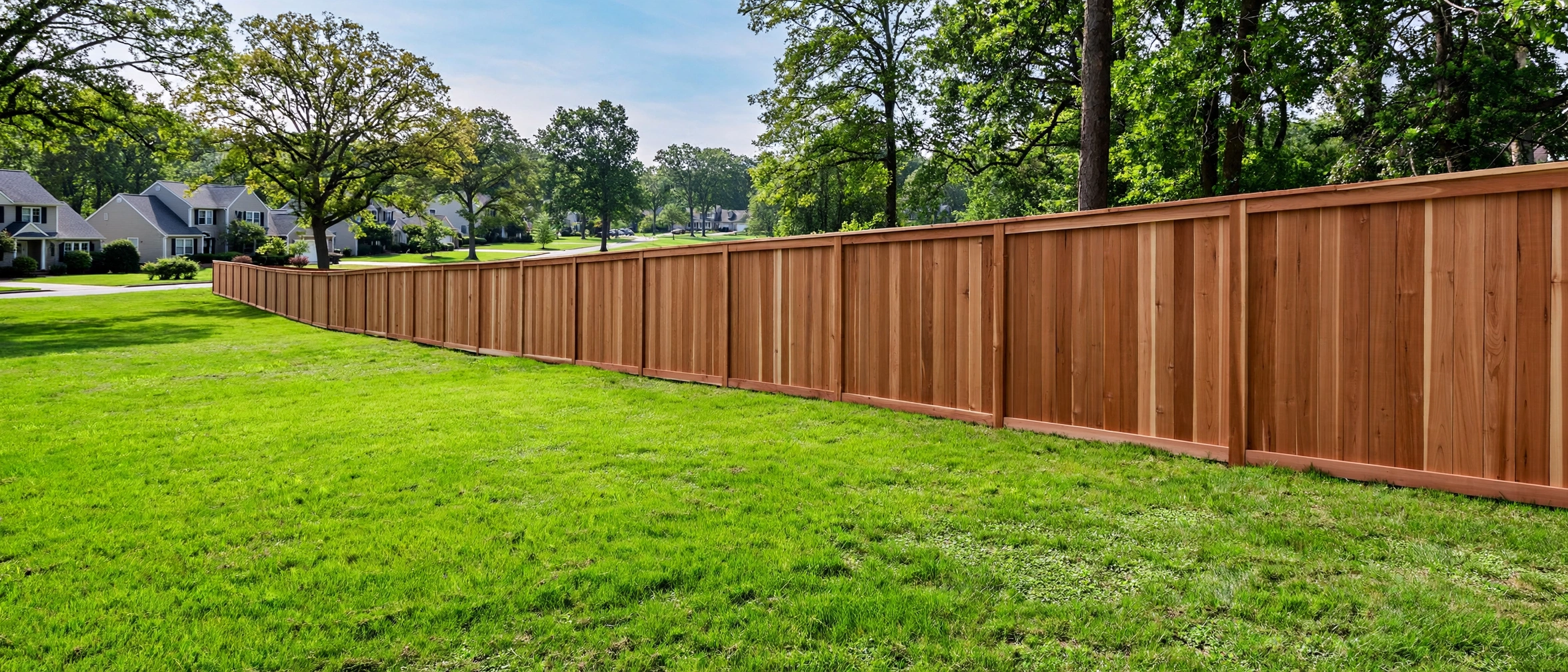
How Much Does It Cost to Have 100 Feet of Fence Installed in 2026
If you’re asking how much does it cost to have 100 feet of fence installed by a professional in 2026, the typical answer is $1,500–$4,500 installed for 100 linear feet. Chain link runs $1,000–$2,500 installed, a pressure-treated wood privacy fence runs $1,800–$4,000, and vinyl runs $2,500–$5,500. Labor is roughly half the total on a professionally installed fence, so the material you pick drives the final number more than anything else.
Quick-answer table (typical 2026 cost to have 100 linear feet of fence installed):
| Fence material | Typical cost for 100 ft, installed |
|---|---|
| Chain link | $1,000–$2,500 |
| Pressure-treated wood privacy | $1,800–$4,000 |
| Cedar wood privacy | $2,200–$4,500 |
| Vinyl / PVC privacy | $2,500–$5,500 |
| Aluminum / ornamental metal | $3,000–$6,500 |
One hundred linear feet is a classic single-side or back-yard fence project — one property line on a suburban lot, or a back yard enclosed on two short sides. Because it’s a one- or two-day job for a crew, it’s also the project size where getting multiple quotes matters most: per-foot pricing varies more between contractors on small jobs than on big ones. For larger projects, see our guide to how much 200 feet of fencing costs — per-foot prices drop as the project gets bigger.
What 100 Feet of Fence Covers
| Project scenario | Approx. fencing needed |
|---|---|
| One side of a typical suburban lot | 60–100 linear feet |
| Back yard, two sides + rear (small lot) | 100–150 linear feet |
| Pool enclosure, rectangular | 80–120 linear feet |
| Dog run / garden enclosure | 60–100 linear feet |
At standard 8-foot post spacing, 100 feet means roughly 13–14 posts plus gate posts — a manageable number that keeps the project to a day or two of crew time. That’s worth knowing because contractors often have a minimum project charge (typically $1,000–$1,500) to cover mobilization; on a 100-foot job, that minimum can make the effective per-foot price higher than on larger projects.
Before anyone digs: call 811. The national Call Before You Dig service marks underground utilities for free, and it’s the law in most states before post-hole digging. One severed fiber line costs more than the entire fence.
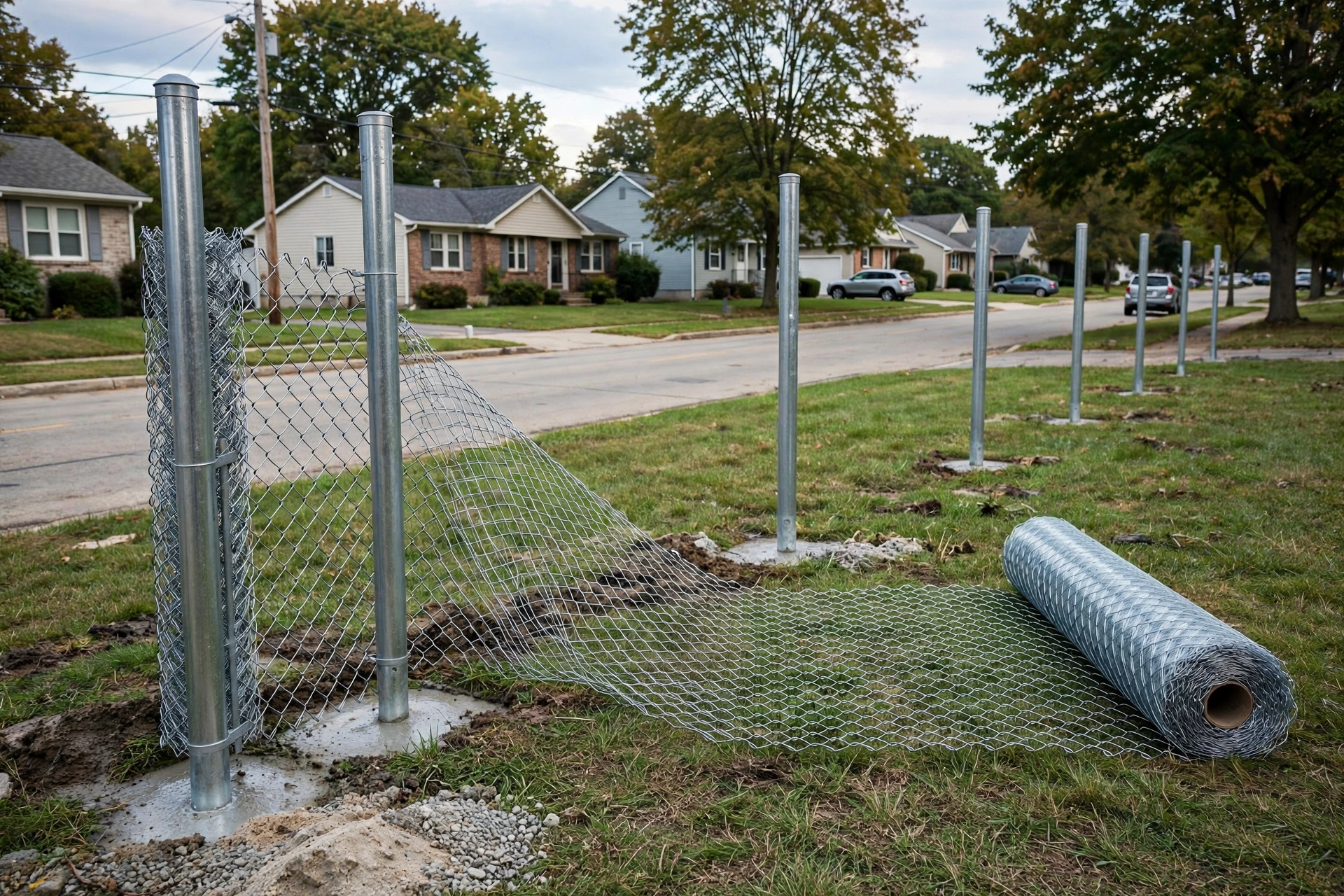
100-Foot Fence Installation Cost by Material
Installed per-foot pricing for 100 linear feet (note: small jobs price slightly higher per foot than large ones):
| Material | Per linear ft, installed | 100 ft total, installed | Lifespan |
|---|---|---|---|
| Chain link (galvanized) | $10–$25 | $1,000–$2,500 | 15–20 years |
| Pressure-treated pine privacy | $18–$40 | $1,800–$4,000 | 15–20 years |
| Cedar privacy | $22–$45 | $2,200–$4,500 | 20–25 years |
| Vinyl / PVC privacy | $30–$55 | $3,000–$5,500 | 25–30 years |
| Aluminum ornamental | $30–$65 | $3,000–$6,500 | 30+ years |
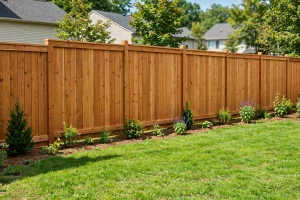
Chain link is the cheapest professionally installed option — fast to install, durable, but no privacy. Pressure-treated wood is the most common pick for 100-foot jobs: affordable, private, and easy to repair, though it needs staining every 2–3 years. Cedar costs a bit more but resists rot and insects naturally and ages gracefully. Vinyl costs roughly double wood but needs essentially zero maintenance for 25–30 years. Aluminum ornamental is the decorative choice where looks matter more than privacy — popular around pools and front yards. For material comparisons and local pros, the American Fence Association is a solid starting point.
Height matters: a 4-foot fence in the same material costs roughly 20–30% less than a 6-foot privacy fence — shorter posts, fewer boards, less concrete. Most cities cap residential backyard fences at 6–8 feet and front-yard fences at 4 feet; check local code before you price, because a non-compliant fence gets expensive fast.
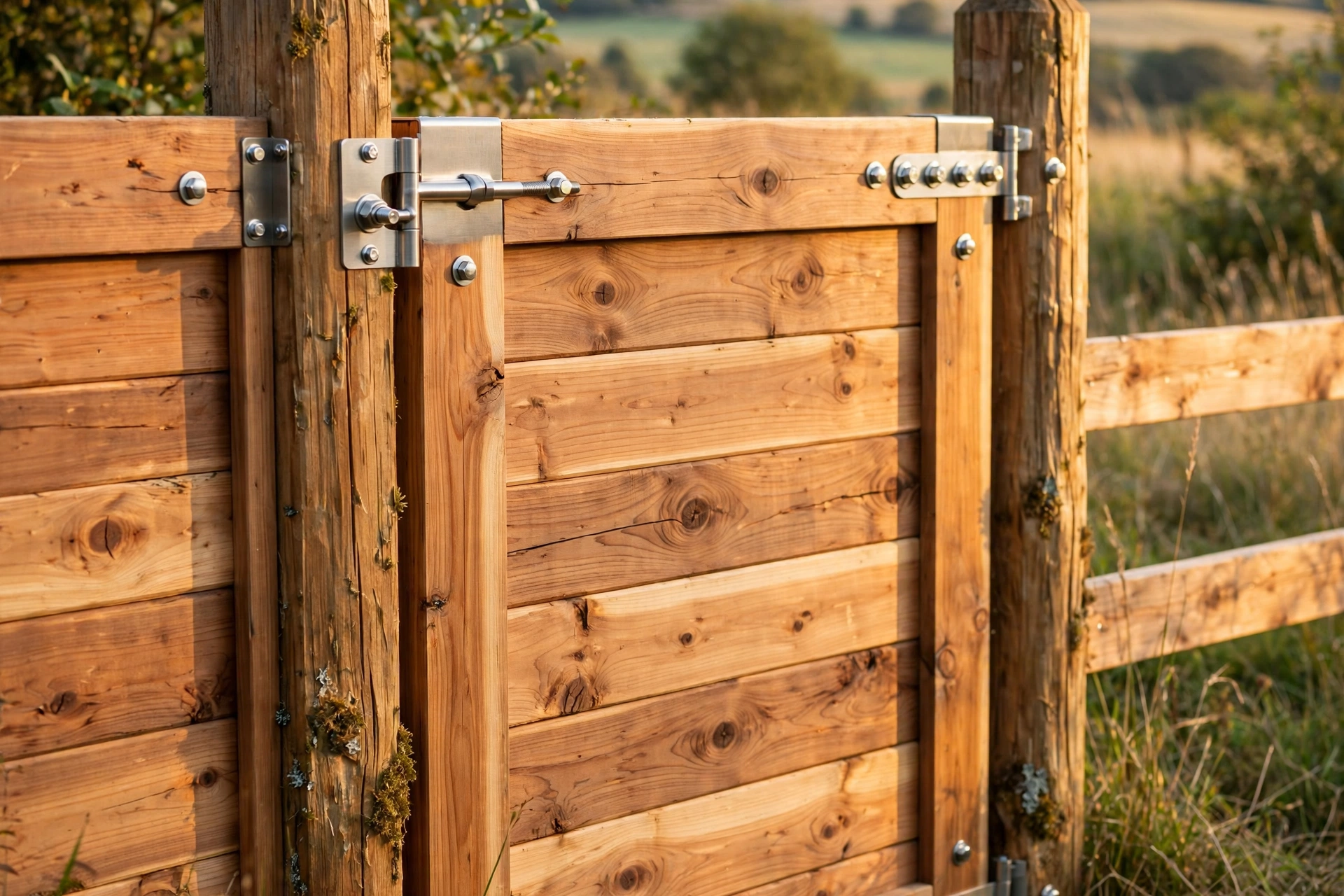
Material vs Labor: Where the Money Goes
On a professionally installed 100-foot fence, the total splits roughly evenly between materials and labor. Here’s a realistic breakdown for a wood privacy fence:
| Cost component | Typical for 100 ft (wood privacy) |
|---|---|
| Pickets / panels | $500–$1,000 |
| Posts, rails, concrete, hardware | $300–$600 |
| Labor (digging, setting, building) | $800–$2,000 |
| Gate (one walk gate, installed) | $200–$500 |
| Old fence removal (if any) | $250–$800 |
| Permit | $50–$450 |
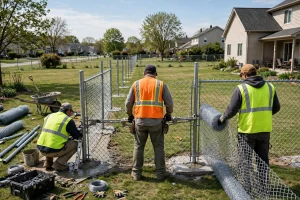
Labor is where the per-foot price on a 100-foot job gets tricky. Crews charge for a day of mobilization — truck, trailer, auger, crew of two or three — whether they’re building 100 feet or 300. That fixed cost spreads thinner on bigger jobs, which is why 200 feet often prices at a lower per-foot rate than 100 feet. If your quote’s per-foot number looks high, ask for the labor/materials split in writing — on small jobs, a flat labor minimum is usually the reason.
Cedar and other naturally rot-resistant woods cost more per board but save on the back end: the Western Red Cedar Lumber Association notes that cedar’s natural preservatives mean no chemical treatment and decades of service with basic care — worth weighing against pressure-treated pine’s lower upfront price.
Gates, Permits, and Extras
| Extra | Typical cost |
|---|---|
| Walk gate (4 ft, installed) | $200–$500 |
| Double drive gate (10–12 ft, installed) | $500–$1,200 |
| Fence permit | $50–$450 |
| Property survey (if boundaries are unclear) | $300–$700 |
| Old fence tear-out and haul-away | $250–$800 |
| Staining/sealing a new wood fence | $250–$800 for 100 ft |
The survey is the cheapest insurance on the job. Building 100 feet of fence even a foot over the property line can trigger a neighbor dispute that ends with a tear-out and rebuild — a $2,000–$4,000 mistake over a $300–$700 survey. And don’t skip the permit/HOA check: most cities require permits for fences 6 feet and up, and HOAs frequently dictate material, height, and color.
Cost Drivers for a 100-Foot Fence Installation
| Driver | Effect on cost | Notes |
|---|---|---|
| Material choice | ±$2,000+ | Chain link vs. vinyl spans $2,500+ on 100 ft |
| Contractor minimum charges | +$200–$500 effective | Small jobs carry a mobilization minimum |
| Terrain and slope | +20–50% on labor | Rock, roots, slopes slow every post hole |
| Fence height | +20–30% | 6-ft privacy vs. 4-ft picket |
| Gates | +$200–$1,200 each | Drive gates cost far more than walk gates |
| Old fence removal | +$250–$800 | Often forgotten in budgets |
| Regional labor rates | ±25% | Metro and coastal markets run higher |
Money-Saving Tips
- Get 4–5 written quotes. On 100-foot jobs, contractor pricing spreads are the widest — the same wood privacy job can range from $1,800 to $4,000 between companies.
- Ask for the labor/materials split. It reveals whether a high quote is expensive materials or a padded labor minimum.
- Split shared boundaries with neighbors. A 50/50 split on a shared 100-foot line saves $900–$2,000. Get it in writing first.
- Keep the design simple. Straight runs, standard 6-foot sections, one walk gate — every corner and extra gate adds labor.
- Do the tear-out yourself. Removing an old fence is unskilled weekend work that saves $250–$800.
- Book in the off-season. Late fall and winter quotes can run 10–15% lower than spring peak in most climates.
- Stain your own wood fence. A DIY weekend with a sprayer costs $75–$150 in stain versus $250–$800 from a contractor.
- Consider bundling with a neighbor. If the neighbor wants their side done too, a 200-foot combined job prices lower per foot than two separate 100-foot jobs.
DIY vs Hiring a Pro
| Factor | DIY | Professional installation |
|---|---|---|
| Cost (100 ft, wood privacy) | $900–$1,800 in materials | $1,800–$4,000 installed |
| Skill required | Moderate — digging, leveling, basic carpentry | Their daily work |
| Time | 2–4 weekends | 1–2 days for a crew |
| Equipment | Post-hole digger or auger rental ($50–$150/day) | Owns it |
| Risk | Leaning posts, crooked lines, permit mistakes | Licensed, insured, warrantied |
| Best for | Straight runs, flat ground, budget priority | Slopes, rock, gates, tight timelines |
Fence installation is one of the most DIY-friendly projects in home improvement — but post depth is where DIY fences fail. Posts must go below the frost line (typically 30–36 inches in cold climates) with proper concrete footings, or frost heave pushes them up within a couple of winters. If your soil is rocky or your lot slopes, hire the posts out and build the rest yourself — a common hybrid that saves $300–$600.
Frequently Asked Questions
How much does it cost to have 100 feet of fence installed in 2026?
Typically $1,500–$4,500 for professional installation of 100 linear feet. Chain link runs $1,000–$2,500, pressure-treated wood privacy $1,800–$4,000, cedar $2,200–$4,500, and vinyl $3,000–$5,500. Labor is roughly half the total, and gates, terrain, and permits move the number within those ranges.
How long does it take to install 100 feet of fence?
A professional crew typically finishes 100 feet in 1–2 days on flat ground. DIY takes 2–4 weekends depending on experience and terrain. Rocky soil, slopes, or old-fence removal can add a day or more either way.
Why is the per-foot price higher for 100 feet than for longer fences?
Contractor minimum charges: mobilizing a crew, truck, and equipment costs roughly the same for 100 feet as for 300, so the fixed cost spreads over fewer feet. Longer runs like 200 feet of fencing typically price 10–20% lower per foot.
Do I need a permit to install 100 feet of fence?
Usually yes for fences 6 feet or taller — permits run $50–$450 depending on the municipality. HOAs often have separate approval rules for height, material, and color. Check both before work starts; unpermitted fences can draw fines and forced removal.
What is the cheapest way to get 100 feet of fence installed?
Chain link at $1,000–$2,500 installed is the cheapest professional option. The cheapest overall is a DIY pressure-treated wood privacy fence at $900–$1,800 in materials. Splitting a shared boundary with a neighbor cuts any option roughly in half.
The Bottom Line
Having 100 feet of fence professionally installed typically costs $1,500–$4,500 in 2026 — chain link cheapest, vinyl and aluminum at the top, wood privacy in the middle at $1,800–$4,000. Expect roughly half the bill to be labor, watch for contractor minimum charges that inflate small-job per-foot pricing, and never skip the 811 utility call, the permit check, or the boundary survey. Get four or five written quotes — on a 100-foot job, the spread between contractors is the biggest savings opportunity you have.
Prices are typical 2026 US ranges gathered from contractor pricing data and industry sources; your actual cost depends on material, fence height, terrain, gates, old-fence removal, regional labor rates, permits, and the contractor’s pricing. Always get at least three written, itemized quotes from licensed, insured contractors.
2 thoughts on “How Much Does It Cost to Have 100 Feet of Fence Installed? 2026 Guide”