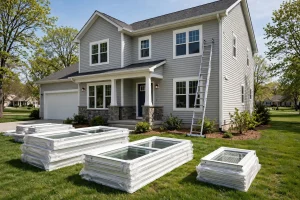
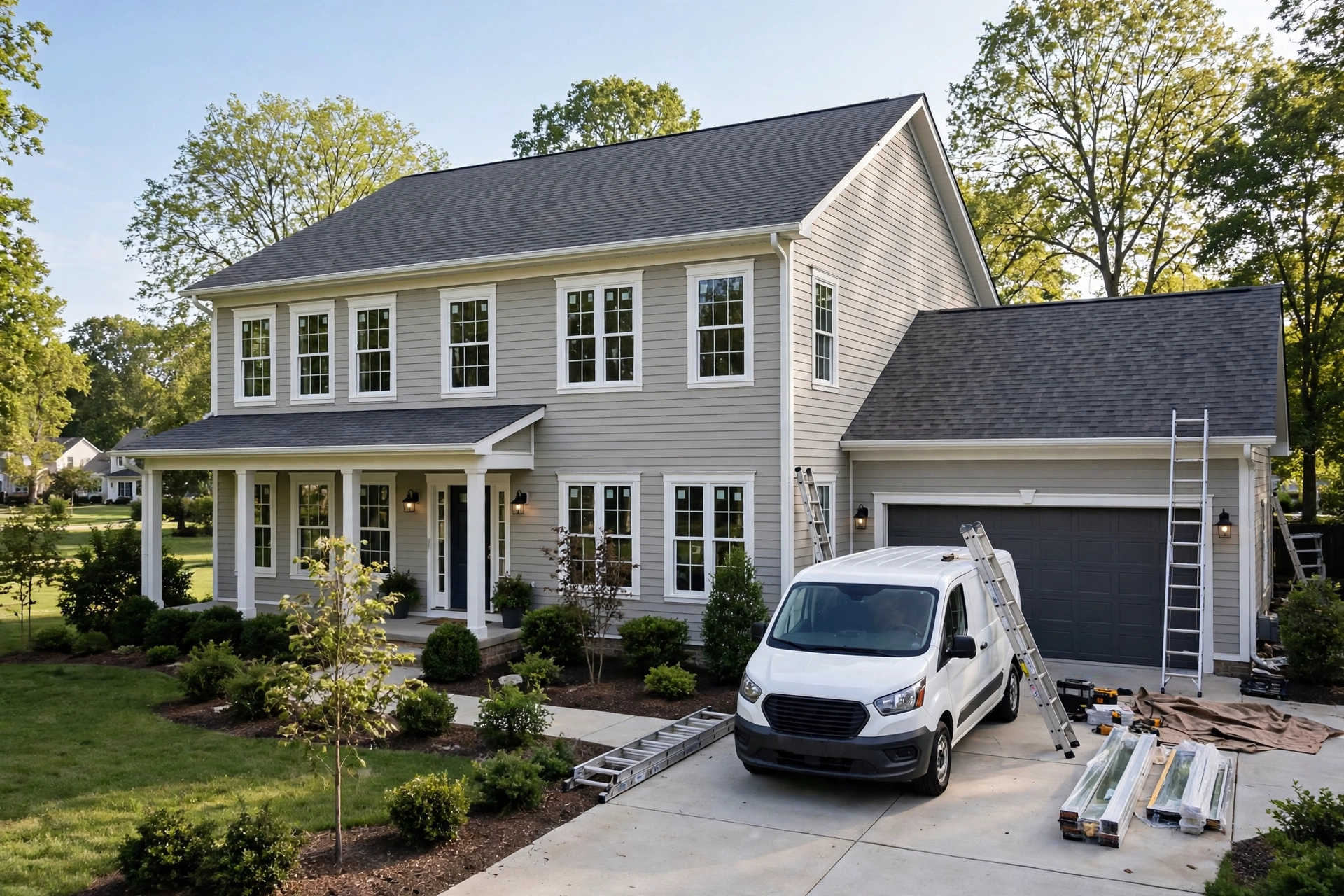
How Much Does It Cost to Replace 25 Windows in 2026
Wondering how much does it cost to replace 25 windows in 2026? A full 25-window replacement project typically costs $18,000–$40,000 for a mid-range vinyl double-pane job, with budget builder-grade projects starting around $7,000–$11,000 and premium wood or fiberglass with triple-pane glass running $40,000–$67,500+. The national average lands around $500–$900 per installed window, and a job this size typically earns 10–20% volume savings versus doing windows one or two at a time. A professional crew typically completes a 25-window whole-house project in 2–4 days.
Twenty-five windows is a true whole-house job — nearly every opening in a typical two-story home. Below: the 25-window price by material and tier, how volume discounts work, plus labor, financing, and phasing.
Quick-answer table (typical 25-window whole-house project, 2026):
| 25-window project | Typical total |
|---|---|
| Budget builder-grade vinyl, insert install | $7,000–$11,000 |
| Mid-range vinyl double-pane, most homes | $18,000–$40,000 |
| Premium fiberglass or wood, triple-pane | $40,000–$67,500+ |
| Per window installed (national average) | $500–$900 |
| Per window installed (overall range) | $300–$2,500 |
| Typical volume discount vs. one-at-a-time | 10–20% per unit |
| Crew time for 25 windows | 2–4 days |
For a sense of how the math scales, see our guides to the window replacement cost for 20 windows and how much it costs to replace 10 windows — and for the other end of the scale, the window replacement cost for one window.
How Much Does It Cost to Replace 25 Windows by Frame Material
Frame material is the single biggest cost lever — across 25 openings, the material premium multiplies 25 times:
| Frame material | Typical installed cost (25 windows) | Profile |
|---|---|---|
| Vinyl | $18,000–$40,000 | The value king: low maintenance, decent insulation, the most common choice for whole-house replacements |
| Aluminum | $12,000–$25,000 | Cheapest per unit but least energy-efficient — sensible only for mild climates and tight budgets |
| Fiberglass | $25,000–$50,000 | Stronger and more dimensionally stable than vinyl, paintable, 40–50 year lifespan — the premium-durable pick |
| Wood | $35,000–$67,500+ | Classic look, excellent insulation, but needs painting/staining and costs the most to buy and maintain |
| Composite / clad wood | $30,000–$55,000 | Wood interior with vinyl or aluminum cladding outside — premium looks with lower exterior maintenance |
Vinyl dominates whole-house jobs: ~$500–$900 per installed window, modern efficiency for the lowest outlay, and crews install it fast. Fiberglass at $25,000–$50,000 splits the difference with real durability in extreme climates, where it expands and contracts far less than vinyl. Wood or clad-wood pushes totals toward $40,000–$67,500+ — both the frames and the trim/finishing labor are 25× more expensive.
Glass upgrades stack on top of material costs: triple-pane adds roughly $100–$300 per window ($2,500–$7,500 across 25), and low-E coatings or argon gas fills add $50–$150 per window. A low-E/argon package across all 25 is usually the best value upgrade — double-pane low-E is what the ENERGY STAR Version 7.0 criteria are built around, and upgrading from old single-pane or failed-seal windows typically cuts heating and cooling costs by about 10–25%.
Cost by Project Tier: Budget, Mid-Range, and Premium
Most homeowners’ quotes fall into one of three tiers. Know which one you’re being quoted before you sign:
| Tier | 25-window total | What’s included |
|---|---|---|
| Budget | $7,000–$11,000 | Builder-grade vinyl, basic single- or double-hung styles, insert (retrofit) install, standard clear or basic low-E glass, minimal trim work |
| Mid-range | $18,000–$40,000 | Quality vinyl or entry fiberglass, double-pane low-E with argon, double-hung/casement mix, insert or full-frame where needed, upgraded trim and caulking, manufacturer + workmanship warranty |
| Premium | $40,000–$67,500+ | Fiberglass, wood, or clad wood; triple-pane or acoustic glass packages; custom sizes and specialty styles (bays, bows, arches); full-frame installation; interior/exterior trim carpentry; longest warranties |
The budget tier assumes insert installation into square, sound openings, standard sizes, and competitive bidding — half your openings needing full-frame work pushes you into mid-range. A $9,000 quote next to a $35,000 quote isn’t apples to apples: ask bidders to specify frame material, glass package, insert vs. full-frame, and trim/disposal inclusions.
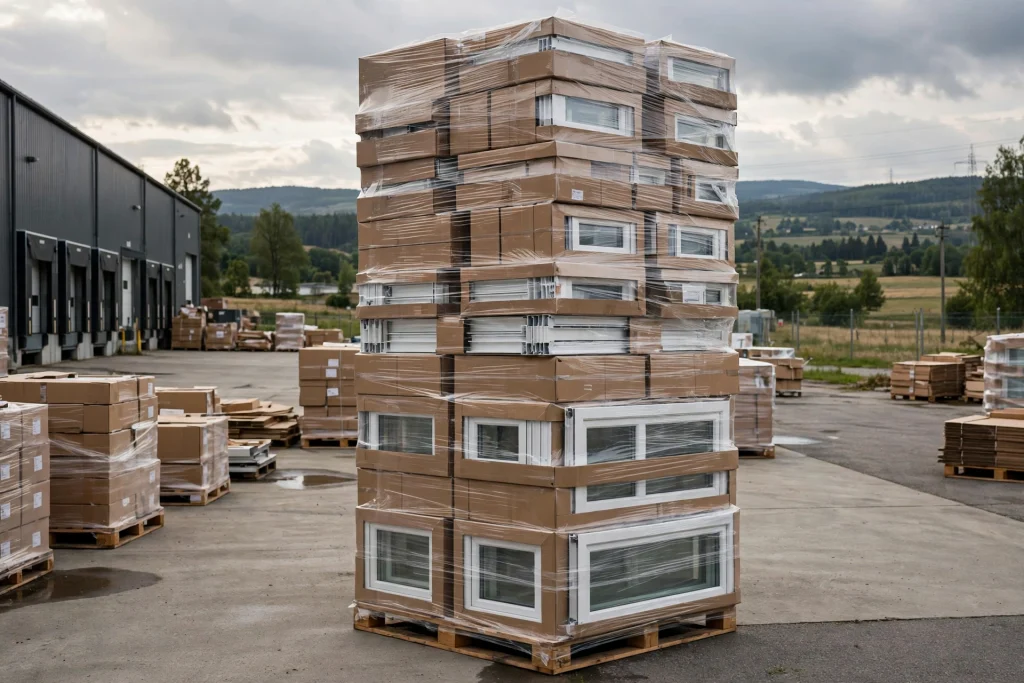
Volume Discounts: How Bulk Pricing Works on 25 Windows
Here’s the best news about a 25-window job: contractors typically offer bulk pricing on 15 or more units, cutting per-unit costs roughly 10–20% versus doing windows one or two at a time. On a $25,000 project, that’s $2,500–$5,000 back in your pocket.
Why the discount is real, not a sales trick:
- Fixed costs get divided 25 ways. Trip fees, minimum charges, disposal fees, and the first half-day of setup are nearly identical for 5 windows or 25 — spread across 25, they nearly disappear per unit.
- Crews get into rhythm. The second through twenty-fifth window of the same model goes in faster than the first.
- Your job is worth competing for. Contractors chase 25-window jobs; a one-window job gets a minimum-charge premium.
The practical takeaway: replacing windows gradually — five this year, five next year — costs meaningfully more per window than a single 25-window contract. Phase only out of genuine budget necessity, not to save money — phasing almost always costs more.
Installation & Labor Costs for a 25-Window Job
On a whole-house job, labor typically runs $75–$300 per window — lower per unit than the $150–$300 single-window rate because crews work in volume:
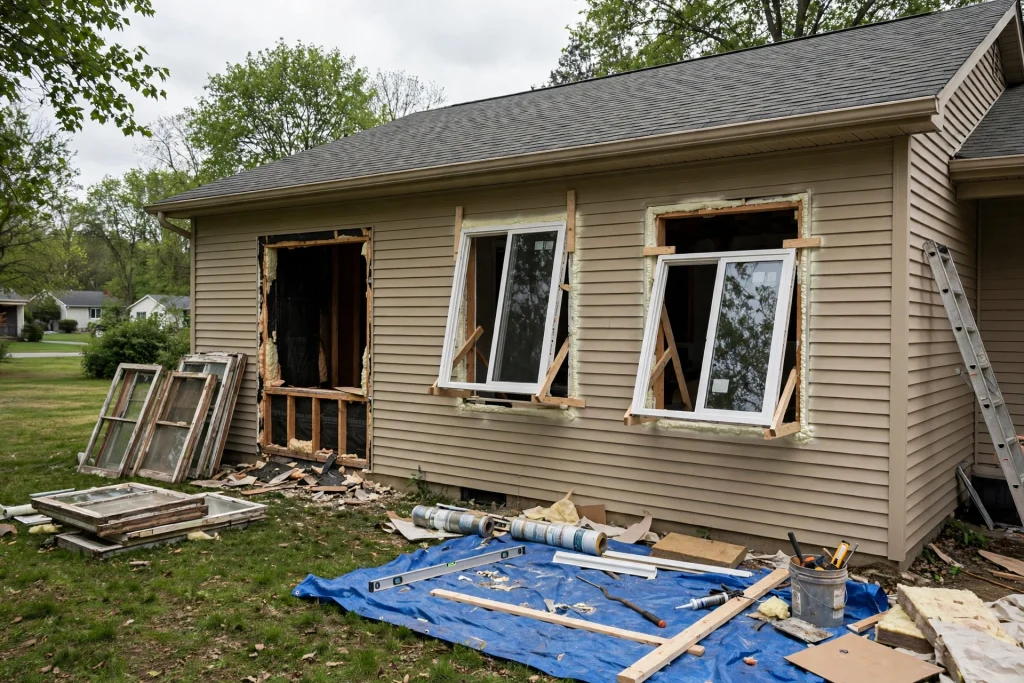
1. Removal — cutting out old sashes, removing stops, scraping old caulk across 25 openings 2. Opening prep — checking each opening for square and level, shimming, foam insulation in gaps 3. Install and finish — setting units, fastening, exterior caulking, interior trim, cleanup and haul-away
Crew pace: ~6–10 windows per day — so 2–4 days for 25, including setup and final detailing.
Watch for these labor add-ons:
| Add-on | Typical cost | When it hits |
|---|---|---|
| Full-frame (vs. insert) | +$200–$400 per opening | Rot, warping, or size changes — across 25 windows this can add $5,000–$10,000 |
| Second-story work | +$50–$150 per window | Ladder/scaffold work on upper floors — budget extra for every second-story unit |
| Custom or non-standard sizes | +$100–$300 per window | Older homes with non-standard openings need made-to-order units |
| Lead-paint remediation | Varies, regulated work | Pre-1978 homes — requires an EPA RRP-certified firm |
Get the quote itemized per opening — if 20 openings are sound enough for inserts but 5 need full-frame work, some contractors quietly price all 25 as full-frame.
Financing and Phasing Options
$18,000–$40,000 is a big check, so most whole-house window jobs are financed:
- Contractor financing — many installers offer 12–60 month plans. Convenient, but read the deferred-interest fine print: miss a payment and retroactive interest can be brutal.
- Home equity loan or HELOC — typically the lowest rates for a five-figure project; interest may be tax-deductible when used for home improvements.
- Personal loan — faster approval than HELOCs, no lien on the house, but higher rates. Fine for the budget tier ($7,000–$11,000).
- Phasing the work — doing 12–15 windows now and the rest in a year. It costs more per unit (you lose some volume discount and pay two minimums), but it’s honest budgeting. Do the worst offenders and coldest-facing sides first.
What Drives the Price: Key Cost Drivers
Beyond material and tier, five variables swing a 25-window quote up or down:
1. Insert vs. full-frame — inserts slide into the existing frame; full-frame removes everything to the rough opening (+$200–$400 per window). A house with rotten originals costs substantially more than one with sound ones. Ask every bidder: “How many of my 25 openings are you pricing as full-frame?” 2. Second-story windows — ladder and scaffold work adds $50–$150 per window; a dozen upper-floor windows can add $1,000–$1,800. 3. Sizes and styles — 25 standard double-hungs are the baseline; bay/bow windows, arches, or large picture windows can cost 2.5–3× a standard unit. Five specialty units can add $5,000–$10,000. 4. Geography — coastal metros and high-cost states run 20–40% above the national average; the South and Midwest often land below it. 5. Season — late fall and winter bring 5–15% slow-season discounts; summer is peak season and peak pricing.
DIY vs. Pro: Replacing 25 Windows
A single insert window is a manageable DIY job. Twenty-five is a different animal:
| DIY | Pro | |
|---|---|---|
| 25 insert windows, ground floor, square openings | ⚠️ Possible — but 2–3 weeks of full-time work, 25 measurements to get right, every mistake leaks air or water | $18,000–$40,000 installed — 2–4 day crew job, guaranteed level, plumb, and watertight |
| 25 windows with second-story units | ❌ Ladder work with 50+ lb windows is a drop hazard multiplied by a dozen | Pro — scaffolding and safety equipment included in the bid |
| Any full-frame openings | ❌ Structural flashing and weather-barrier work | Pro — specialist territory on any job size |
| Pre-1978 home (lead paint) | ❌ Federal law — RRP-certified firm required | Pro — certified, insured, and legal |
| Warranty on 25 windows | ⚠️ DIY voids most manufacturer warranties on the units | Pro — manufacturer + workmanship warranties across the whole house |
The math that ends the DIY conversation: at a realistic DIY pace of 2–3 windows per day, 25 windows is 10–15 full working days — and every unit set slightly out of square is a draft or a leak.
Money-Saving Tips
- Get the volume discount in writing. Ask each bidder for their 25-unit pricing versus their standard per-window rate — the 10–20% bulk savings should be visible in the itemized quote.
- Choose vinyl for standard sizes. Vinyl double-hung is the best efficiency-per-dollar in the business, and on 25 windows the material savings vs. fiberglass or wood can be $10,000–$25,000.
- Keep the same sizes and styles. Changing sizes pushes openings into full-frame pricing (+$200–$400 each) — standard sizes stay in cheaper insert territory.
- Get 3–4 written quotes. $10,000+ spreads between bidders on the same 25 windows are common. Three quotes minimum; four is better.
- Check state and utility rebates. The federal 25C credit (up to $600) expired at the end of 2025 — state energy offices and utilities are the rebates to check now.
- Schedule in the off-season. Late fall and winter discounts of 5–15% on a $25,000 job are $1,250–$3,750 — the biggest single saving available.
- Buy NFRC-rated, ENERGY STAR windows. The cheapest window that meets ENERGY STAR for your climate zone is usually the best buy — and on 25 windows, the right low-E/argon package typically pays back through heating and cooling savings of about 10–25%.
Frequently Asked Questions
Should I replace all 25 windows at once or do them in phases?
All at once, if you can swing it. One contract earns 10–20% volume savings, avoids paying setup and minimum charges twice, and means one disruption instead of two. Phase only out of genuine budget necessity — starting with the worst windows and coldest-facing sides.
How long does it take to replace 25 windows?
A professional crew typically takes 2–4 days for 25 windows — roughly 6–10 units per day including setup, trim work, and final detailing. Houses needing extensive full-frame work land at the longer end.
Do contractors give volume discounts for 25 windows?
Yes — most contractors offer bulk pricing on jobs of 15 or more units, and 25 windows is comfortably in bulk territory. Expect roughly 10–20% per-unit savings versus doing windows one or two at a time.
How much will 25 new windows save on energy bills?
Upgrading 25 old single-pane or failed-seal windows to new double-pane low-E units typically cuts a home’s heating and cooling costs by about 10–25%. Actual savings depend on climate, current windows, and the new units’ efficiency (U-factor, SHGC) — check the DOE’s energy-efficient windows guidance for climate-specific advice.
How much is labor per window on a 25-window job?
$75–$300 per window on a whole-house job, lower per unit than the $150–$300 single-window rate because crews work in volume. Watch for add-ons: full-frame installation (+$200–$400 per opening), second-story windows (+$50–$150 each), and custom sizes (+$100–$300 each). Get the quote itemized per opening so you can see exactly where the labor money goes.
The Bottom Line
How much does it cost to replace 25 windows? In 2026, a mid-range whole-house vinyl double-pane project runs $18,000–$40,000, with budget builder-grade jobs possible at $7,000–$11,000 and premium wood or fiberglass with triple-pane reaching $40,000–$67,500+. The national average per window is $500–$900 installed, and a 25-window job typically earns 10–20% volume savings — insist on seeing bulk pricing itemized in your quotes. A crew finishes in 2–4 days; the insert-vs.-full-frame call and the number of second-story windows are the biggest labor wildcards. Note: the federal 25C window tax credit (up to $600) expired at the end of 2025 — check state and utility rebates instead. Get 3–4 written quotes before committing.
Prices are typical 2026 US planning benchmarks gathered from contractor pricing data and homeowner survey sources; your actual cost depends on region, window sizes and styles, frame material, glass packages, how many openings need full-frame replacement, second-story access, and the contractor’s volume pricing. Always get at least three written, itemized quotes — including one from a licensed, insured installer — before committing to a whole-house job. For efficiency ratings when comparing windows, see the NFRC label directory and ENERGY STAR certified window listings.